
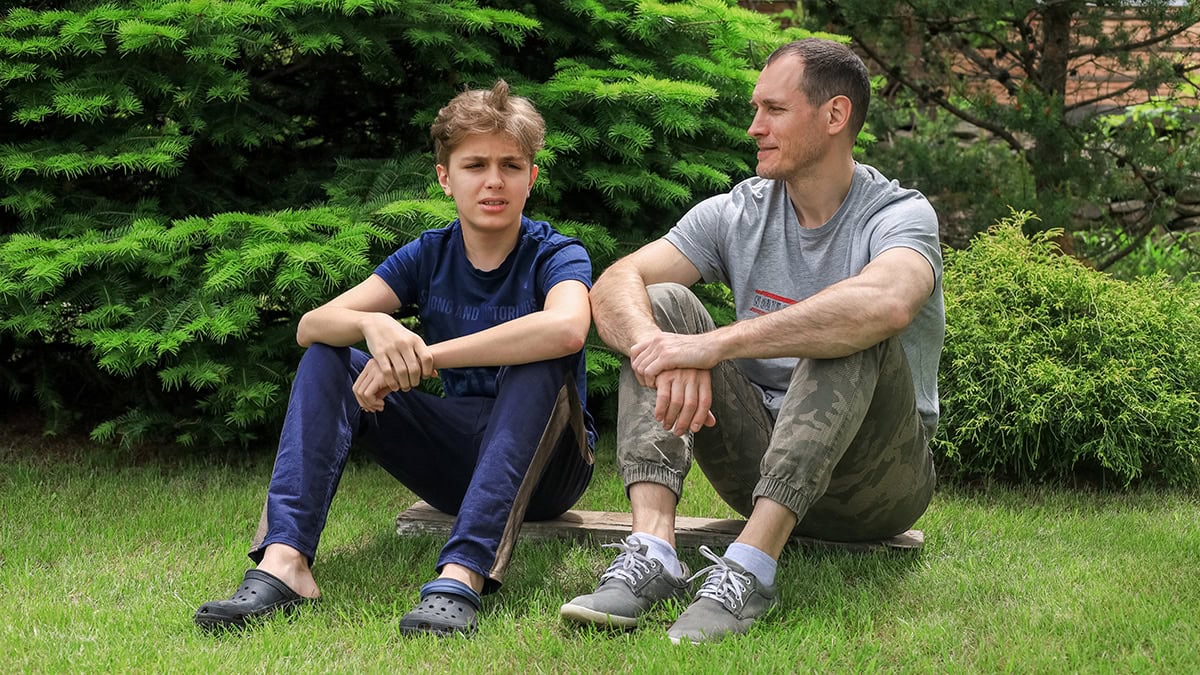
When upsetting headlines fill the news cycle, many families are left wondering how to talk to children about war and conflict without making fear worse. Children may hear fragments from television, social media, school, or adult conversations, then try to make sense of those pieces on their own. That can lead to worry, confusion, and a stronger sense that the world is unsafe. UNICEF’s parenting guidance notes that children can feel frightened, sad, angry, or anxious when conflict dominates the news, and that parents play an important role in helping them feel secure.
For parents and carers, the goal is not to explain every political detail. The goal is to offer calm support, simple truth, and reassurance that matches the child’s age. When children feel heard and safe, they are far more likely to process difficult information in a healthy way.
Start with what your child already knows
A helpful first step in talking to children about war and conflict is to ask what your child has already seen, heard, or misunderstood. Some children may know very little. Others may have already absorbed distressing clips, comments, or rumours. UNICEF recommends beginning with the child’s existing understanding and emotional response, rather than assuming what is worrying them most.
This is also one of the most useful ways to approach talking to children about scary news. Instead of launching into a long explanation, begin with open and simple questions.
You might say:
- “What have you heard about what’s happening?”
- “Did anything you saw make you feel worried?”
- “Is there something you want to ask me about it?”
That approach gives children permission to speak, and it gives you a clearer starting point for the conversation.
Use calm, simple, age-appropriate language
One of the biggest challenges for parents is how to explain war to a child in a way that is honest but not overwhelming. Trusted child and family guidance consistently recommends simple, calm language that matches the child’s age and emotional capacity. UNICEF advises adults to use age-appropriate language and be sensitive to the child’s level of anxiety, while Emerging Minds recommends honest conversations without graphic or violent detail.
For younger children, shorter explanations are usually better. You might explain that people in another part of the world are going through something dangerous and sad, and that many adults are working to help.
For older children, you may need to answer more detailed questions. They might ask why wars happen, whether it could happen here, or whether someone they know is at risk. It is fine to say you do not have every answer straight away. A calm response matters more than a perfect one.
This is where age-appropriate conversations about war are so important. Children need truthful information, but they also need emotional protection. For further parent-focused guidance, see Emerging Minds advice on talking to children about war and conflict.

Acknowledge fear instead of dismissing it
Children cope better when adults make room for feelings instead of trying to shut them down quickly. If a child says they feel scared, upset, or confused, it helps to respond with calm recognition. UNICEF advises acknowledging children’s feelings and letting them know those feelings are natural.
This is especially important when dealing with children’s anxiety about war. Even when the conflict is far away, a child’s emotional response can feel immediate and intense.
Helpful responses might include:
- “I can see that this feels scary.”
- “It makes sense that you feel worried.”
- “You can always talk to me if something is bothering you.”
Knowing how to reassure children about war does not mean pretending nothing is wrong. It means showing them they are safe, supported, and not carrying their fear alone.
Reduce repeated exposure to distressing content
For many children, anxiety grows not just from the event itself but from repeated exposure to upsetting images and commentary. Emerging Minds warns that ongoing media coverage can heighten distress, especially when children see frightening images repeatedly or without context.
That is why limiting news exposure for children is one of the most practical steps parents can take. This includes television, online videos, autoplay clips, social feeds, and overheard adult conversations.
Helpful steps include:
- turning off rolling news when children are nearby
- monitoring social platforms that may expose them to graphic or confusing content
- avoiding adult discussions of worst-case scenarios in front of them
- checking in after they have seen upsetting content
This also helps with children and war news anxiety, which can build when children see the same fear-based material over and over without support or explanation.
Safety and routine matter in how to talk to children about war and conflict
When the world feels uncertain, home needs to feel steady. Regular routines help children feel grounded, and calm reassurance helps them return to what is familiar and safe. UNICEF notes that children look to parents for a sense of safety and security, especially in times of crisis.
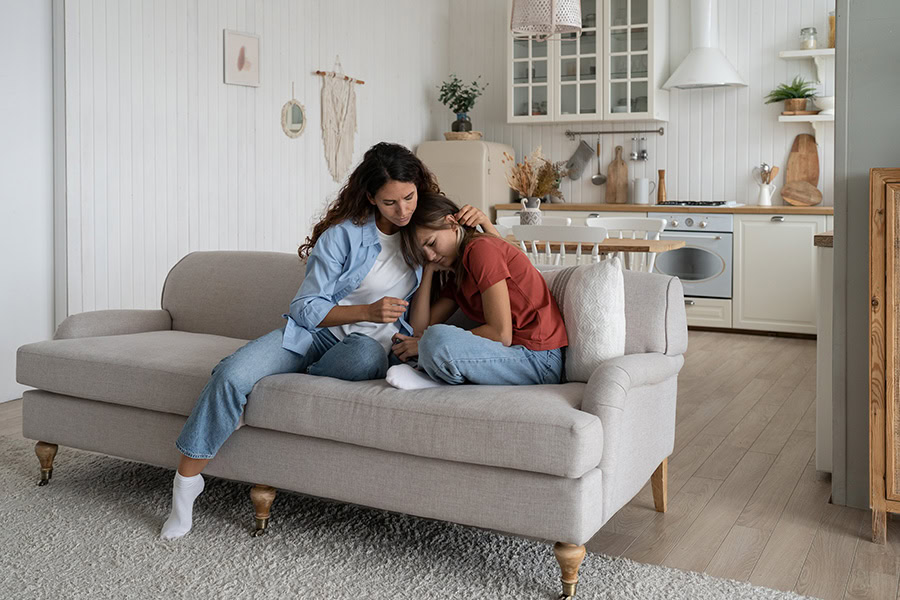
This matters when parents are considering how to help a child who is scared of war. Children often do not need a dramatic speech. They need repeated reminders that they are safe, cared for, and still surrounded by stable routines.
Simple reassurance might sound like this:
- “You are safe here with us.”
- “We are here to look after you.”
- “Your usual routines are still happening, and we will get through this together.”
Meals, bedtime, school, play, and calm family time all help restore a sense of predictability.
Give children healthy ways to process fear
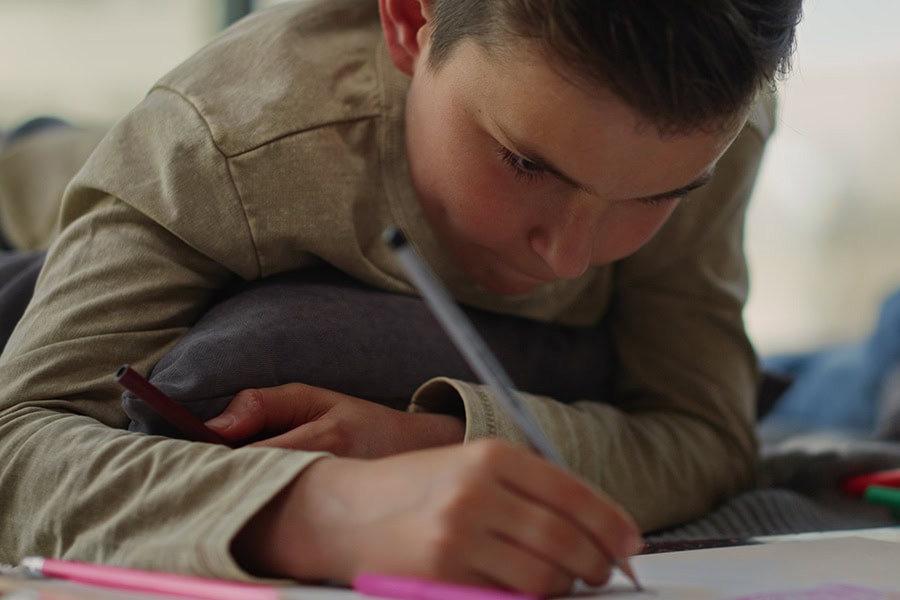
Not every child will talk openly about fear straight away. Some children process emotions better through play, movement, drawing, or quiet connection. This is why emotional coping tools are such an important part of distressing news events with children.
Supportive options may include:
- drawing or craft
- movement or outdoor play
- reading together
- breathing exercises
- quiet one-on-one time
- journalling for older children
These kinds of activities give children another way to release worry and return to regulation. They also help families move from passive fear into practical support.
Focus on helpers, kindness, and what can be done
Children can feel helpless when they hear about suffering, violence, or danger. UNICEF encourages adults to focus children’s attention on compassion and on the people who are helping. That might include aid workers, doctors, teachers, community leaders, or families helping one another. It can also include age-appropriate actions at home, such as donating to a trusted cause, drawing a picture of hope, or noticing acts of kindness in daily life.
This does not remove the seriousness of the situation. It helps restore balance. Children need to know that while terrible things happen, care and action also exist.
Know when worry may be becoming ongoing anxiety
Some worry is a normal response to upsetting events. The Royal Children’s Hospital states that anxiety is a normal response to danger or stress, but when it does not ease and starts affecting daily life, children may need more support. Common indicators include stomach aches, headaches, sleep difficulties, and avoidance of everyday activities.
When looking for signs of anxiety in children, watch for patterns such as:
- difficulty sleeping or nightmares
- frequent stomach aches or headaches
- strong fear about family safety
- clinginess beyond what is usual for the child
- withdrawal from school, friendships, or activities
- persistent distress that does not settle
These signs of anxiety in children do not automatically mean something serious is wrong, but they do tell you the child may need more support than reassurance alone.
Model calm behaviour in front of your child
Children notice more than adults sometimes realise. They listen to tone, watch facial expressions, and absorb emotional cues. UNICEF advises adults to speak calmly, be mindful of body language, and avoid overwhelming children with their own distress.
If you are trying to work out how to help a child who is scared of war, your own calm presence is one of the strongest tools you have. That does not mean acting as though nothing is wrong. It means showing what steady, healthy coping looks like.
You might say:
- “This news is upsetting, so I’m taking a break from it.”
- “I do not have every answer, but we can talk about it together.”
- “Let’s do something calm now and take a rest from the news.”
That kind of modelling teaches regulation in a way that children can feel.
A practical support pathway for families
At Behaviour Collaborations, the team provides practical, person-centred support for NDIS participants and families through services such as behaviour support Brisbane and tailored family guidance.
For families dealing with stress, uncertainty, or emotional dysregulation in children, that practical support matters. Sometimes parents simply need calm guidance and strategies they can use at home. Sometimes they also need professional support to better understand what is driving a child’s fear or behaviour.
Final thoughts
Learning how to talk to children about war and conflict is really about helping children feel safe, heard, and supported when the world feels unsettling. Calm explanations, emotional validation, healthy media boundaries, and stable routines can make a real difference.
When parents understand how to explain war to a child, respond to children’s anxiety about war with empathy, and use simple strategies for talking to children about scary news, children are more likely to feel secure and less alone in what they are experiencing. And when worries linger, recognising the signs of anxiety in children early can help families seek support before fear becomes more disruptive.
During times of uncertainty, it is not always easy to know when to seek extra support. If you have been reflecting on this, you might find it helpful to read more about how to know if counselling might be right for you.
When you need extra support
If your child is feeling unsettled by distressing world events, you do not have to navigate it alone. Gentle, practical support can make it easier to respond with calm, confidence, and care. If you need guidance tailored to your child, your family, or your situation, Behaviour Collaborations is here to support you with a person-centred approach that respects emotional well-being, safety, and everyday life.
If you would like to learn more about the support available, you can contact Behaviour Collaborations for guidance.
Frequently Asked Questions
What is the best way to start talking to children about scary news?
When talking to children about scary news, start by asking what they have already seen or heard. This helps you respond to their real concern, rather than guessing. Keep your tone calm, use simple language, and avoid giving too much information at once. A short, gentle conversation is often more helpful than a big explanation.
How do I explain war to a child in a way that feels safe?
How to explain war to a child depends on their age, maturity, and what they have already been exposed to. Younger children usually need simple reassurance and a basic explanation. Older children may ask more detailed questions and need a little more context. The key is to be honest, stay calm, and leave out graphic details that could increase fear.
Are age-appropriate conversations about war really necessary if the conflict is happening far away?
Yes, age-appropriate conversations about war can still be important, even when the events are happening overseas. Children do not always understand distance, scale, or risk in the same way adults do. If they hear upsetting information without support, they may assume the danger is closer than it is. A clear and calm explanation can help them feel safer.
What can I do about my child’s anxiety about war if my child keeps asking the same questions?
Children’s anxiety about war often shows up through repeated questions, a need for reassurance, or worry that seems hard to switch off. Repetition does not always mean your child was not listening. It can mean they are still trying to feel safe. Answer consistently, keep routines steady, and remind them who is caring for them and what is staying the same in their world.
What are the first signs of children and war news anxiety I should look out for?
Children’s war news anxiety may show up in different ways depending on the child. Some become clingy or unsettled. Others may seem irritable, quiet, distracted, or overly focused on safety. A child who was coping well before may suddenly want more reassurance, avoid sleeping alone, or keep checking whether family members are okay.
Why is limiting news exposure for children so important during major world events?
Limiting news exposure for children helps reduce the emotional load that comes from repeated headlines, videos, and adult commentary. Children can struggle to process constant updates, especially when they see the same distressing message again and again. Stepping back from screens, muting background coverage, and checking what your child is seeing online can all help.
What should I do if distressing news events with children seem to affect school, sleep, or behaviour?
When distressing news events affecting children begin to affect school, sleep, behaviour, or day-to-day functioning, it may be a sign that the worry is becoming harder for them to manage alone. Extra emotional support, calm routines, and professional guidance can all help. It is better to respond early than wait until the distress becomes more deeply ingrained.
What are some common signs of anxiety in children after upsetting world events?
Some common signs of anxiety in children include trouble sleeping, nightmares, stomach aches, irritability, withdrawal, clinginess, and frequent questions about safety. Not every child will show anxiety in the same way, but any clear shift in behaviour, mood, or confidence can be worth paying attention to.
What are practical ways to reassure children about war without pretending everything is fine?
How to reassure children about war starts with calm honesty, not false promises. You can reassure children by reminding them they are safe, that adults are working to protect them, and that they can always come to you with questions. Reassurance is often most effective when it is repeated gently over time.
When should I seek help for how to help a child who is scared of war?
If you are unsure how to help a child who is scared of war, and their fear is ongoing, intense, or affecting daily life, it may be time to seek extra support. This is especially important if the child is struggling to sleep, avoiding school, becoming highly distressed, or not settling even with reassurance and routine.

NDIS Social and Community Participation: Why consistent support worker records matter

Position Vacant: Behaviour Support Practitioner

NDIS Plan Reassessment: Is Your Evidence Ready?
Join Our Blog
Subscribe for insights and updates
Check back regularly for new posts covering Positive Behaviour Support plans, communication strategies, emotional regulation, family engagement, and everyday approaches that can support wellbeing at home, school, work, and in the community. We also share guidance on navigating support systems and getting the most from services, with content relevant to Brisbane and families across Queensland.
"*" indicates required fields
Need support creating or implementing a Positive Behaviour Support Plan? If you are looking for guidance with Positive Behaviour Support, counselling and mental health support, or reports and documentation, our team can help you understand the next best step. Contact our Brisbane behaviour support team for guidance tailored to your situation.