
Behaviour is rarely just about behaviour. It’s often a sign of what’s happening underneath, especially for NDIS participants who may have difficulty expressing their thoughts and feelings. Many families in Brisbane turn to NDIS behaviour support Brisbane-based services to understand better these behaviours and the mental health needs behind them. When behaviour is misunderstood or labelled as “challenging,” we miss the chance to recognise the real need behind it.
We’ve put together this guide to help NDIS participants, families, and support networks better understand the link between mental health and behaviour, and how NDIS mental health support and Positive Behaviour Support under the NDIS can make a lasting difference.
1. Behaviour is communication
All behaviour has meaning. It might mean, “I’m overwhelmed,” “I don’t feel safe,” or “I need help.” For many participants, especially those with communication difficulties, behaviour is the main way to express feelings or needs. Recognising this helps us respond with curiosity rather than judgment.
In practice, NDIS behaviour support services take this approach by helping families and support networks identify what a behaviour is really saying. Instead of focusing on the surface action, the goal is to understand the underlying need and respond in a safe and respectful way.
2. Mental health doesn’t always look how you expect
Mental health challenges such as anxiety, depression, trauma, or emotional dysregulation don’t always present as sadness or worry. Instead, you might notice withdrawal, refusal, irritability, aggression, or emotional outbursts. These behaviours are often signs of internal distress, not bad behaviour.
For families and support networks, recognising these signs is important. Responding with understanding rather than judgment helps participants feel supported rather than punished. Many families in Brisbane turn to NDIS mental health support to ensure these behaviours are addressed in ways that consider both emotional well-being and daily functioning. For practical advice on how to support someone during these moments, visit Beyond Blue’s support guide, which provides trusted information for friends, families, and carers.
3. Sensory and emotional overload can lead to big reactions
For many NDIS participants, sensory sensitivities (such as noise, texture, or light) and emotional overload can trigger escalated behaviours. A busy environment, sudden changes, or fatigue may push someone past their coping point.
In Positive Behaviour Support (PBS) under NDIS, practitioners always consider whether the environment is contributing to stress. Families who work with behaviour support practitioners can learn how to adjust spaces and routines to reduce triggers. Even small changes, such as lowering noise levels or introducing sensory tools, can make a noticeable difference to one’s wellbeing.

4. Past trauma may still be affecting behaviour
Many participants have experienced trauma, whether through bullying, neglect, medical procedures, or sudden loss. Trauma can create strong emotional responses to seemingly small triggers. These are not intentional; they are automatic survival reactions. Knowing this helps us respond with safety and compassion.
With trauma-informed NDIS behaviour support, practitioners ensure participants feel safe and understood, helping families respond with compassion and develop healthier coping strategies. In some cases, this support is part of psychosocial disability support through the NDIS, ensuring that both mental health and behavioural needs are addressed together.
5. Not everyone can explain how they feel
Some NDIS participants are non-verbal or still developing their emotional vocabulary. Others may struggle to link what they’re feeling with what’s happening around them. Instead of saying “I’m anxious,” they may run away, become aggressive, or cry.
This is where communication supports, emotional literacy strategies, and visual tools are essential. With guidance from NDIS behaviour support practitioners, families can access tailored resources to help participants express themselves more effectively. Accessing behaviour support for NDIS participants also ensures that these resources are matched to the person’s abilities, reducing frustration and supporting both communication and wellbeing.
6. Behaviour support is about understanding the ‘why’
Positive Behaviour Support (PBS) looks at the purpose behind behaviour, such as avoiding demands, seeking connection, or coping with discomfort. Functional Behaviour Assessments (FBAs) help identify these patterns and guide the development of practical strategies.
Positive Behaviour Support NDIS services focus on understanding the “why” of behaviour, not just the “what.” With the right assessment and plan, participants can learn healthier ways to meet their needs. A functional behaviour assessment NDIS process also gives families a clear picture of what drives behaviour, helping them create environments that reduce distress and encourage positive outcomes.
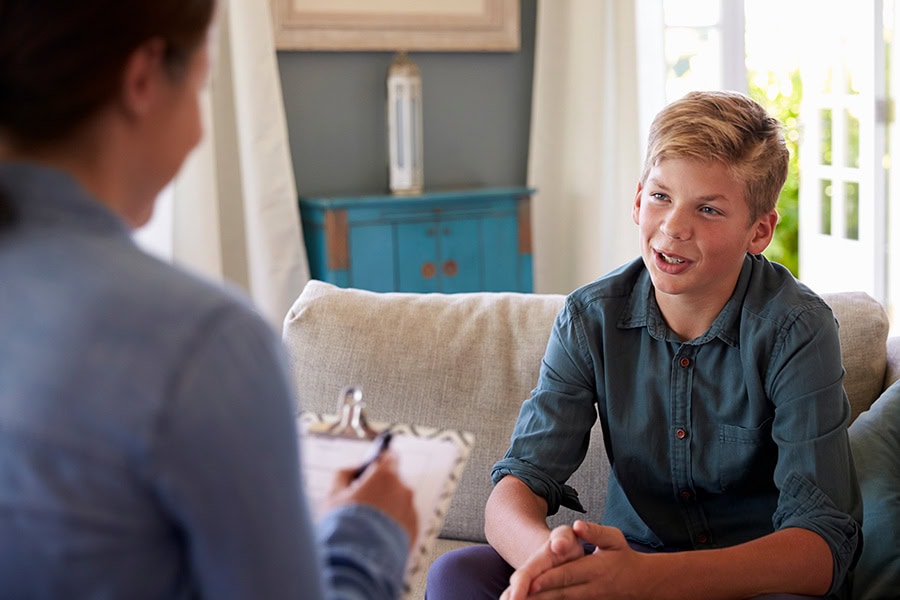
7. Emotional regulation skills can reduce behaviours of concern
Supporting a participant to learn emotional regulation strategies like using a calm-down corner, asking for a break, or using sensory tools can help them manage emotions before behaviour escalates. These tools can be tailored to age, communication level, and personal preferences.
Teaching these skills is especially valuable for emotional regulation among NDIS participants, where structured supports help reduce concerning behaviours and build independence. Over time, these supports build resilience, making it easier for participants to manage emotions across different settings, including home, school, and community life.
8. Routines and predictability support emotional well-being
For many participants, not knowing what’s happening next creates anxiety. Visual schedules, timers, and structured transitions help the person feel safe and in control. These tools are handy for participants with autism, ADHD, or cognitive disabilities who thrive on consistency.
Building predictable routines is a key part of NDIS behaviour support, where families and support workers learn how to structure daily life in ways that reduce stress and increase confidence. For some families, this also links to psychosocial disability support NDIS, which provides tailored routines and resources that strengthen emotional wellbeing while promoting independence.
9. NDIS mental health support funding
If behaviours of concern are linked to a participant’s disability, the NDIS may fund supports such as behaviour therapy, counselling, psychology, or occupational therapy under categories like Improved Relationships or Improved Daily Living.
For families in Brisbane, NDIS mental health supports funding can also include Positive Behaviour Support plans and Functional Behaviour Assessments. These services are most effective when tailored to the individual, addressing both mental health and behavioural needs in a holistic way. More information is available on the NDIS page about accessing mental health supports, which outlines how NDIS supports people with psychosocial disabilities and mental health conditions.
Why Choose Behaviour Collaborations for NDIS Behaviour Support in Brisbane
Choosing the right provider makes a real difference. At Behaviour Collaborations, our focus is on understanding the link between behaviour and mental health, and tailoring supports that meet the individual needs of each participant. Our team combines professional expertise with lived experience, ensuring families feel heard and supported at every step.
When families turn to us for NDIS behaviour support in Brisbane, they can expect plans that combine professional expertise with lived experience. Every strategy is built with the individual in mind, blending Positive Behaviour Support approaches with tailored mental health supports. We take time to know the person, the family, and the environment, ensuring that the plan makes sense in real life and can be used every day.
When you work with us, you can expect:
- Personalised plans that address both behaviour and mental health needs.
- Positive Behaviour Support strategies that are practical, evidence-based, and respectful.
- Collaboration with families, schools, and support networks to create lasting outcomes.
- Local knowledge and lived experience of Brisbane, Redlands, and Ipswich communities.
Our team is deeply committed to creating respectful, inclusive, and culturally safe supports. We collaborate with schools, carers, and broader networks so that progress isn’t just seen in isolated sessions but becomes part of daily routines and community life. For us, success means participants are safer, families feel more confident, and long-term well-being is strengthened.
Choosing Behaviour Collaborations means choosing a provider who values dignity, compassion, and practical outcomes. With our NDIS behaviour support Brisbane team, you’re not just accessing a service – you’re joining a collaborative partnership focused on resilience, growth, and sustainable change.
Need help understanding the link between behaviour and mental health?
At Behaviour Collaborations, we support NDIS participants and their families across Brisbane, Redlands, and Ipswich with holistic behaviour support plans. If you’re noticing changes in behaviour or suspect that mental health may be a factor, please get in touch. We’re here to help you navigate the NDIS and access the proper supports by providing Positive Behaviour Support NDIS services.
If you’re noticing changes in behaviour or suspect that mental health may be a factor, we’re here to help you navigate the NDIS and access the right supports. You can contact us here or reach out directly by calling 07 3050 3353 or emailing info@behaviourcollaborations.com. Our team is ready to listen and provide tailored support for you and your family.

NDIS Social and Community Participation: Why consistent support worker records matter
Position Vacant: Behaviour Support Practitioner

NDIS Plan Reassessment: Is Your Evidence Ready?
Join Our Blog
Subscribe for insights and updates
Check back regularly for new posts covering Positive Behaviour Support plans, communication strategies, emotional regulation, family engagement, and everyday approaches that can support wellbeing at home, school, work, and in the community. We also share guidance on navigating support systems and getting the most from services, with content relevant to Brisbane and families across Queensland.
"*" indicates required fields
Need support creating or implementing a Positive Behaviour Support Plan? If you are looking for guidance with Positive Behaviour Support, counselling and mental health support, or reports and documentation, our team can help you understand the next best step. Contact our Brisbane behaviour support team for guidance tailored to your situation.