

When you are choosing NDIS positive behaviour support, check two things separately: that the provider is registered with the NDIS Commission for registration group 0110 Specialist Positive Behaviour Support, and that the individual practitioner who writes your plan has been considered suitable by the Commission. Then ask about the practitioner’s experience, who supervises their work, how your funding will be used and how progress will be reviewed. The Commission has also released an updated Capability Framework, so this is a good time to ask.
Picture the scene. You have three NDIS positive behaviour support provider websites open, a stack of reports on the bench and a phone that keeps buzzing. Every site says the right things, and none of them tells you what to ask.
If that sounds familiar, you are not alone. Choosing NDIS positive behaviour support is a big decision, and most families make it while already stretched. You deserve to know who will be working with you, what skills they bring, how they are supervised and how your funding will be used.
This guide walks through what to check, in plain language, so you can compare providers with confidence. It finishes with eight questions you can take to your first conversation.
What has changed in NDIS Positive Behaviour Support
The NDIS Quality and Safeguards Commission has released an updated Positive Behaviour Support Capability Framework. Updated assessment processes will apply to new suitability applicants from 18 December 2026.
That matters because registration and practitioner suitability are essential foundations for NDIS positive behaviour support. But they are not the whole story. Quality also depends on how the work is delivered, reviewed and put into practice, and that is where families can ask good questions.
We last checked these details against the NDIS Commission’s website on 26 October 2026. Requirements can change, so please confirm current guidance with the Commission.
Check the provider and the individual practitioner
There are two separate checks, and it helps to do both.
Check the provider’s registration
A specialist behaviour support provider must be registered with the NDIS Commission for registration group 0110 Specialist Positive Behaviour Support. Providers can be registered across several NDIS registration groups, so look for that one by name. You can search the Commission’s Provider Register for any company, and the rules for specialist behaviour support providers are on the same site.
Check the practitioner’s suitability
The individual who undertakes your behaviour support assessment and develops your behaviour support plan must be considered suitable by the Commission. These requirements also apply when the plan does not include a restrictive practice.
Ask for the name of the NDIS behaviour support practitioner who will deliver your service, and ask for evidence of their suitability. An ABN, a professional website or general NDIS registration does not establish approval to provide specialist behaviour support.
We are happy to be checked. You can look up Behaviour Collaborations on the NDIS Commission register yourself, and we are glad to tell you which behaviour support practitioner would be working with you.
Understand the practitioner’s skills and experience
Not every behaviour support practitioner has the same background, and that is fine, as long as the work they take on matches the skills they bring. Ask about their qualifications, specific behaviour support training and experience with needs similar to yours.
A relevant qualification is valuable, but it does not, by itself, tell you how experienced someone is in functional behaviour assessment, developing practical strategies or supporting complex situations.
What the capability levels mean
The Capability Framework describes four levels: core, proficient, advanced and specialist. The Commission determines suitability. It does not endorse individual practitioner capability levels.
So ask how the practitioner’s stated level has been assessed and supported through supervision, and how their skills match the work they will undertake. A clear answer names the practitioner, describes their experience in plain language and explains who they turn to when a situation is harder than expected.
Newer practitioners can be a good fit
A newer practitioner can contribute valuable support when their work is matched to their capabilities and backed by appropriate supervision. Where needs are complex, ask who provides additional clinical input and how more difficult decisions are reviewed.
Ask who supervises the practitioner
Supervision is an important part of safe, accountable NDIS positive behaviour support. The NDIS Practice Standards for specialist behaviour support include clinical supervision of practitioners’ work and ongoing professional development.
Look beyond the supervisor’s qualification or job title. Ask about their practical experience delivering behaviour support, their capability in the areas relevant to you, and their experience supervising others. Relevant experience should include the ability to guide assessment, review clinical reasoning and help practitioners respond when strategies are not working.
Useful questions include how often supervision occurs, whether the supervisor reviews assessments and plans, and what happens when a practitioner needs urgent advice. You should be able to understand how oversight contributes to the quality of your support.
At Behaviour Collaborations, our practitioners engage in regular clinical supervision, and I provide supervision and leadership for the team. You can read about the people you would work with on our About page.

Expect a Behaviour Support Plan built around the participant
At Behaviour Collaborations, we develop specific, tailored plans around each participant’s needs, circumstances and goals. We consider what the person is communicating, what may contribute to distress and what changes could make daily life safer and more manageable.
Our plans identify practical strategies and the positive outcomes we are working towards. Depending on the participant, these may include communicating needs, building independence, participating in valued activities or reducing distress and risk. Potential outcomes guide the work and provide a basis for reviewing progress. Each person’s response and circumstances will differ.
A useful behaviour support plan should help the people supporting the participant understand what to do, why it matters and how to respond consistently. Ask how your provider will explain the strategies and review whether they are useful in everyday settings. Our post on putting a plan into practice shows why that teamwork matters.
Know what your funding is paying for
When you receive NDIS positive behaviour support, you should be able to understand the work being completed and how it connects to agreed goals. Assessment, consultation, observations, data analysis and report writing can all contribute to effective support. Their purpose, expected costs and relationship to the participant’s needs should be explained clearly.
At Behaviour Collaborations, we place importance on transparency and accountability for the work we do. Our tailored planning approach connects the participant’s needs with the strategies proposed and the positive outcomes being sought. This gives you and your support network a clearer basis for discussing the purpose and value of the service. Our guide to NDIS behaviour support accountability goes further.
Before starting, ask what is included, how direct and indirect work will be charged, what documentation you will receive and when progress will be reviewed. Value for money includes the relevance, quality and practical usefulness of the support delivered.
Use documentation to understand incidents and demonstrate needs
When incidents occur, accurate documentation can help build an understanding of what happened, what came before it, how people responded and what support may be needed. Recording patterns over time can help practitioners review risks and strategies, while also recognising progress that might otherwise be missed.
At Behaviour Collaborations, we use incident documentation and other relevant information to inform our understanding of participant needs and provide supporting evidence for the NDIS where appropriate. This helps communicate the person’s circumstances, the impact on daily life and the reasons particular supports may be required. If a reassessment is coming up, our guide to evidence for an NDIS plan reassessment is a useful place to start.
Evidence should be factual, respectful and relevant, with appropriate consent and privacy safeguards. Supporting documentation can inform NDIS decisions, but does not guarantee a particular funding outcome. Ask your provider how information will be collected, used and shared.
Choose a service that welcomes questions
You are entitled to ask about qualifications, experience, supervision, costs and progress. A provider should be able to explain its approach in language you understand and involve you in decisions about your support. If an answer feels vague, rushed or defensive, that is useful information too, and our post on red flags in NDIS behaviour support explains what to look out for.
If you are still deciding what kind of person suits you, our simple guide to choosing a behaviour support practitioner covers how to define your goals, read practitioner profiles and review progress after a few sessions.
At Behaviour Collaborations, our approach to NDIS positive behaviour support centres on understanding the individual and developing tailored strategies with a clear purpose.

Questions to take to your first conversation
Here is a short list you can screenshot, print or read out over the phone. Any provider should be glad to answer these.
- Is the provider registered for 0110 Specialist Positive Behaviour Support?
- Has my allocated NDIS behaviour support practitioner been considered suitable by the NDIS Commission?
- What qualifications, capability level and relevant experience does the practitioner have?
- Who supervises their work, and what practical behaviour support experience does that supervisor bring?
- How will my goals and preferences shape the behaviour support plan and its intended outcomes?
- What work will be charged to my funding, and how will costs be explained?
- How will progress, incidents and changing needs be documented and reviewed?
- How will you help my support network understand and use the strategies?
If you would like to talk through any of these questions, call us on 07 3050 3353 or make an enquiry.
Frequently asked questions about NDIS Positive Behaviour Support
What does an NDIS behaviour support practitioner do?
An NDIS behaviour support practitioner looks at what is behind a person’s behaviours of concern, writes a plan with the person and their support network, and reviews it as needs change. They also coach families, carers and support workers so everyone responds consistently, and with consent they liaise with schools and other providers.
Where can I find reviews of NDIS behaviour support providers?
Start with the provider’s Google Business Profile, where reviews are public, and read a mix of recent and older ones. You can also ask your support coordinator, plan manager or other families about their experience. Reviews are one signal, and they sit alongside registration for NDIS positive behaviour support, practitioner suitability and a clear explanation of the work.
What should I bring to a first conversation about NDIS positive behaviour support?
Bring whatever you have, and do not worry if it is not much. Helpful items include your current NDIS plan, recent reports, notes on when behaviours of concern happen and what came before and after, and your goals for the person you support. Your NDIS behaviour support provider can help you work out what is missing.
Can I meet a behaviour support practitioner before we start?
Yes. We are happy to arrange a meet and greet by phone or by calling into our Capalaba office, so you can see whether the fit feels right before you commit. Trust matters, because a behaviour support plan works best when the person and their family feel able to be open about what is hard.
Can my support coordinator or plan manager join the first conversation?
Yes, with your consent. Support coordinators, plan managers, teachers and other providers often hold part of the picture, and involving them helps the NDIS positive behaviour support team work from the same information. We explain our work in plain language, so everyone knows what each strategy is for.
What can I do if my behaviour support is not working?
Start by asking your provider direct questions: what is the plan trying to achieve, what has changed since it began, and what will be adjusted next. You can ask for a review meeting and ask for any changes to be explained in writing. A good NDIS behaviour support practitioner welcomes these questions, and it is reasonable to ask about other options if you are still unsure.
Support for families in Redlands, Brisbane and beyond
Our Capalaba-based team provides NDIS behaviour support to participants, families and support teams across Redlands, Brisbane and South East Queensland, including behaviour support Redlands close to home. TelePBS is also available across our Queensland and Sydney service areas, so distance does not have to stand in the way.
If you are exploring NDIS positive behaviour support for yourself or someone you support, we would love to hear from you. Start with a short enquiry, and we will talk through your needs, our approach and the services we can offer.
Prefer another way? Call us on 07 3050 3353 or email info@behaviourcollaborations.com, Monday to Friday, 9am to 5pm. Professionals can send a referral, and you can find us on Google to see where our Capalaba office is.
Above all, we collaborate.
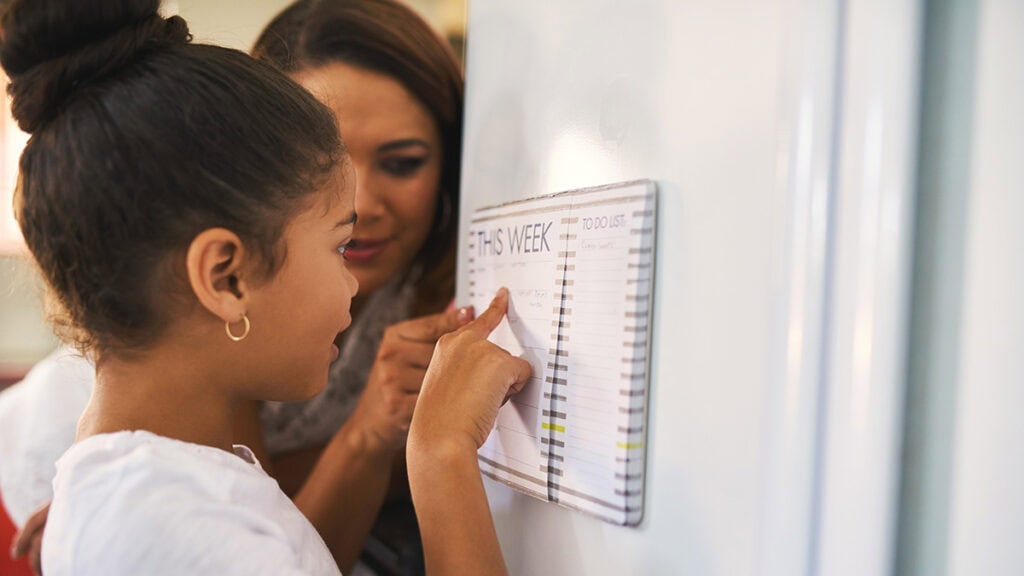
Positive Behaviour Support strategies: Why new habits take longer than 21 days

NDIS Social and Community Participation: Why consistent support worker records matter
Position Vacant: Behaviour Support Practitioner
Join Our Blog
Subscribe for insights and updates
Check back regularly for new posts covering Positive Behaviour Support plans, communication strategies, emotional regulation, family engagement, and everyday approaches that can support wellbeing at home, school, work, and in the community. We also share guidance on navigating support systems and getting the most from services, with content relevant to Brisbane and families across Queensland.
"*" indicates required fields
Need support creating or implementing a Positive Behaviour Support Plan? If you are looking for guidance with Positive Behaviour Support, counselling and mental health support, or reports and documentation, our team can help you understand the next best step. Contact our Brisbane behaviour support team for guidance tailored to your situation.