
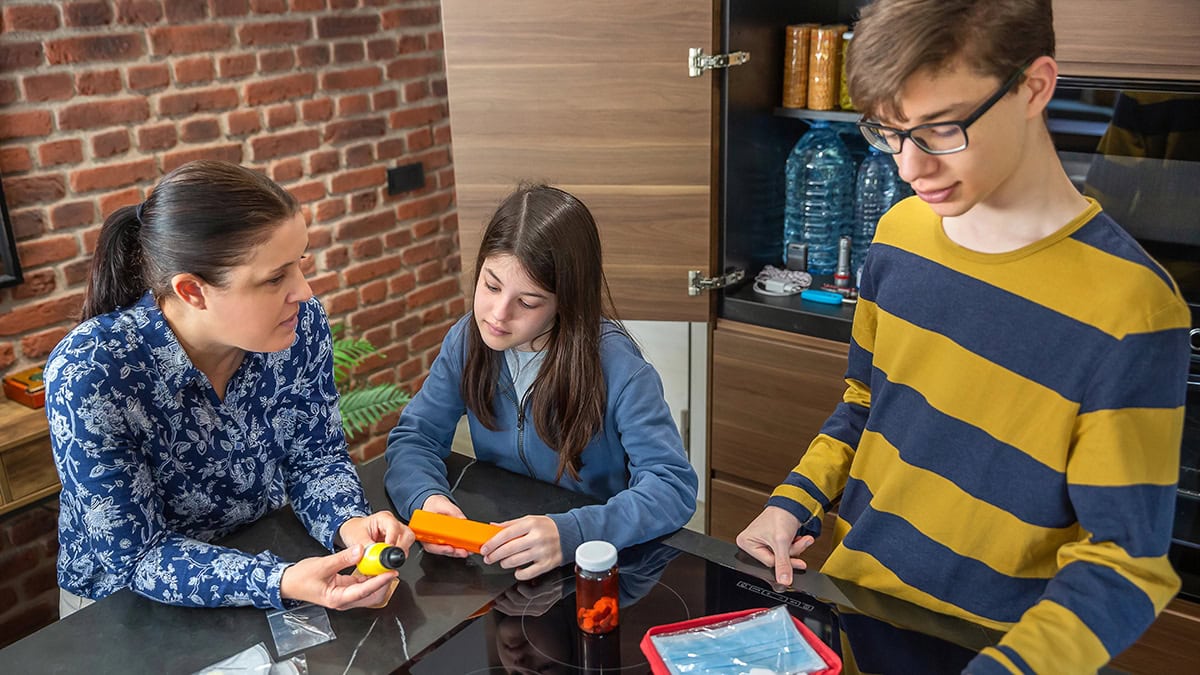
Living in Queensland means living with weather that can turn quickly. For families further west, on acreage, or in rural and regional communities, long dry spells and bushfire risk are simply part of everyday life. But when your family includes an autistic child, getting ready for these events involves more than packing a bag and checking the letterbox for embers. Autism emergency preparedness means thinking through changes to routine, unfamiliar smells, sudden warnings, smoke, and adults behaving differently, all the things that can turn an already frightening event into a genuinely distressing one for a child who relies on predictability to feel safe.
In short: autism emergency preparedness means practising your family’s routine before you need it, packing a personal sensory emergency kit for your child, and using visual schedules for autism so they know what to expect before smoke is ever in the air. Preparation will not remove every frightening part of an emergency, but it can turn an unfamiliar situation into a more familiar one.
Why bushfires can feel particularly frightening
Bushfires are frightening for adults, so imagine trying to make sense of one as a child. There may be smoke in the air. The sky might look different. Emergency vehicles could be nearby. Phones might suddenly make warning sounds. Adults may start packing things or moving animals without much explanation.
Then there are the sensory changes: the smell of smoke, heat, wind, sirens, and people speaking quickly or loudly. Smoke, sirens and sudden noise can be significant autism meltdown triggers, and for many autistic children this combination becomes overwhelming very quickly.
We cannot remove every frightening part of an emergency. But we can make some parts of it familiar before an emergency happens, which is really the heart of good autism emergency preparedness. It does not stop a bushfire happening, but it changes how a child experiences it.
Practise the routine before you need it
Children often cope better when they know what is going to happen. Instead of waiting until there is a fire nearby, practise your family’s emergency routine on an ordinary, calm day.
You might say something simple, such as, “We’re going to practise what we do if there’s a fire near our house.” From there:
- Show your child where you will go.
- Practise getting into the car.
- Let them know who is likely to come with you.
- If you have animals, explain what will happen to them.
- Drive the evacuation route together.
- If there is another house or location you would go to, consider visiting it beforehand.
For an autistic child, practising gives us an opportunity to make an unfamiliar situation a little more predictable, and predictability is one of the most protective things a family can offer before a disaster.
Make an emergency kit for your child, not just the household
Most families know about having a general emergency kit. But it is worth also having a personal emergency bag specifically for your child, alongside the household one.
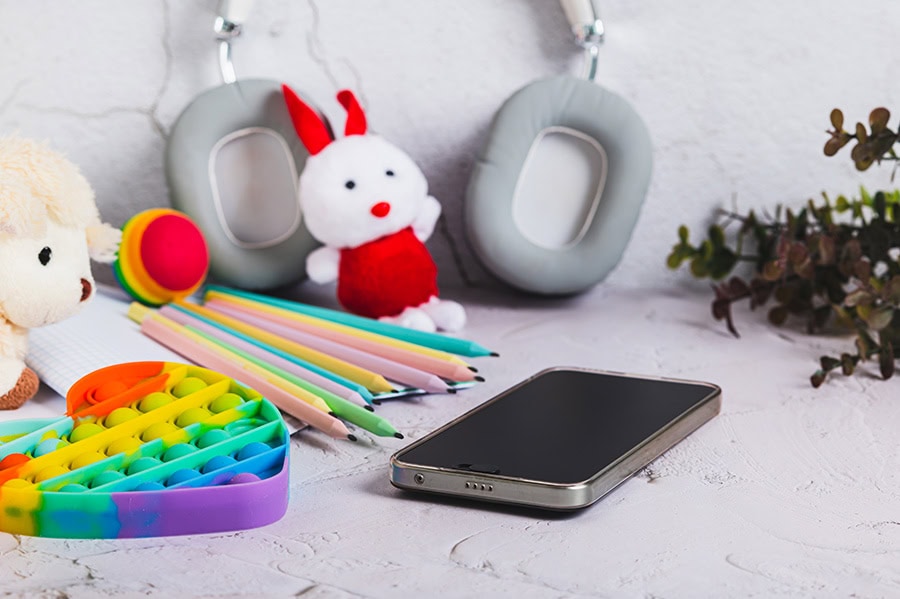
Alongside the practical things they need, think about the things that help them feel safe and regulated. A sensory emergency kit for an autistic child might include:
- Headphones or ear defenders
- A favourite comfort item
- Sensory or fidget items
- A tablet, charger and power bank
- Preferred snacks and drinks
- Communication cards or an AAC device
- A familiar change of clothing
- Medications
- Visual schedules
- A favourite book or activity
- Something familiar from their normal bedtime routine
Put the bag somewhere accessible, and importantly, let your child know it is theirs. It does not need to be a scary “bushfire bag.” It can simply be their special bag that is ready if the family ever needs to leave home quickly.
Use pictures to explain what will happen
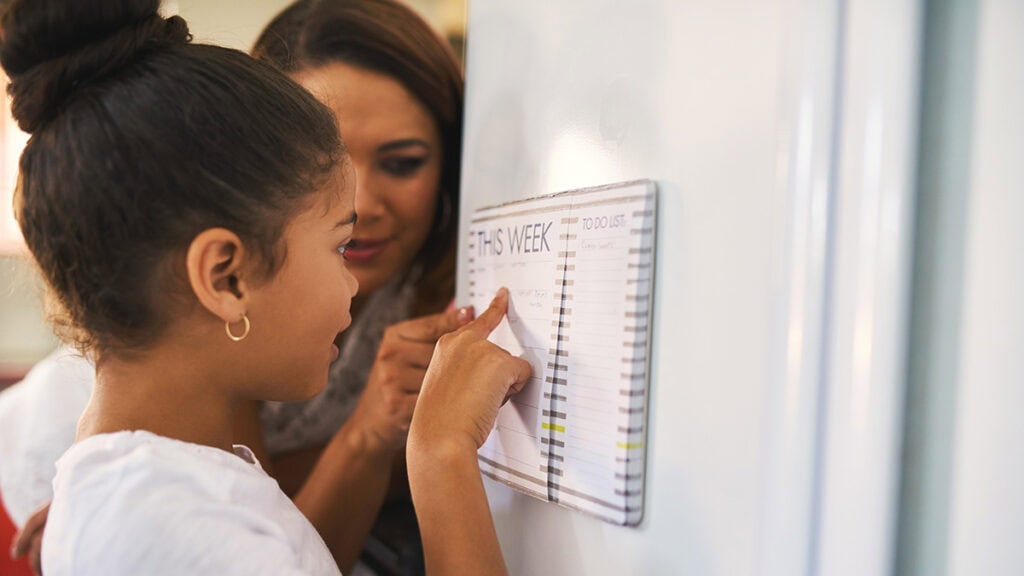
For children who benefit from visual information, a simple fire-day visual sequence can do a lot of the explaining for you. For example:
Smoke or fire warning → Mum or Dad gets our bags → We get in the car → We drive somewhere safe → We stay together → We come home when it is safe.
Keep the language simple. You could take photographs of your actual car, emergency bag, family members, pets, and the place you plan to go, so your visual schedules for autism reflect their real world rather than a generic template.
The purpose is not to frighten your child with everything that could happen. It is to answer the question every child is really asking: “What happens to me?”
Drought can change children’s routines too
Drought does not have the dramatic beginning of a bushfire, but it can gradually change everyday family life. Grass dries out. Gardens change. Dams and tanks become lower. Animals may need to be managed differently. Families become more careful about water, and activities children previously enjoyed may need to change.
For autistic children, water play can be a particularly enjoyable sensory experience. Running water through their hands, pouring between containers, splashing, spraying a hose, or sitting in water can provide predictable sensory input and become part of how they play or regulate.
So a sudden “no more hose” may mean considerably more to that child than an adult realises, and changes in routine like this are often harder for an autistic child to process than adults expect, especially when something that was allowed yesterday is not allowed today. This is exactly why autism emergency preparedness needs to cover slow-moving events like drought as much as sudden ones like bushfire.
Don’t just remove water play, look at what it was providing
If water becomes limited, first think about why your child loves the activity. Do they enjoy pouring? The temperature? Watching something flow? The pressure against their hands? Splashing? The repetitive movement? The sound?
Once you understand what they are seeking, you can look for alternatives:
- A small tub with a limited amount of water may provide the pouring experience without leaving a tap running.
- Reusable water in a sensory container may work for some activities.
- Dry pouring activities using rice, sand, or other appropriate sensory materials may provide a similar repetitive experience.
- Spray bottles, damp sponges, painting with water, or transferring small amounts between containers may also allow children to keep enjoying water while using much less.
The goal is not “you can’t do that anymore.” It is “we need to use less water, so let’s find another way to do something you love.”
Remember that children notice our stress
During drought and bushfire conditions, adults are often under enormous pressure. Families may be worrying about their home, livestock, water supply, finances, or whether they will need to evacuate.
Children do not need to understand all of those conversations to know that something has changed. An autistic child may notice that people are speaking differently, routines have changed, or adults are distracted. Sometimes the behaviour we see afterwards is the child’s way of communicating, “Something doesn’t feel right.”
This is where reassurance, routine, and clear communication become particularly important. Keeping the things that can remain predictable as predictable as possible is one of the simplest and most effective parts of autism emergency preparedness.
Make the plan about your child
There is not one emergency plan that will work for every autistic child. One child may become distressed by sirens. Another may refuse to leave a familiar environment. Another may struggle without internet access. Another may be frightened about leaving their animals behind.
A child who uses AAC may need additional communication equipment packed and ready. A child with limited food preferences may need considerably more preferred food packed than another family would normally consider. A child who wanders when distressed adds another level of planning altogether.
Prepare for the child you actually have, not the child a generic emergency checklist assumes you have. Think about what your child can manage independently, what might become difficult during an emergency, what support they may need, and who within their support network can assist.
How Behaviour Collaborations can support your family
Every family’s situation is different, and so is every child’s response to change. If your family is working through routine disruption, sensory overwhelm, or behaviours of concern connected to drought, bushfire season, or another significant change, our team can help build a plan around your child specifically, not a generic template.
This might include a Functional Behaviour Assessment to understand what is driving a behaviour, a Positive Behaviour Support Plan that includes strategies for coping with routine change, or simply a conversation with your support coordinator about what additional supports might help your family through emergency season. If you already have a home visit scheduled with one of our practitioners, our Home Visit Preparation guide has more tips on getting ready.
Preparation creates familiarity
We cannot control the weather. We cannot guarantee that a child will not become frightened during a bushfire or struggle with the changes brought about by drought. But we can prepare.
Practise getting in the car. Pack their favourite things. Show them where you are going. Make a visual plan. Think about sensory needs. Have backup communication available. Prepare medications. Plan for animals. And practise it again when everyone is calm.
Because when an emergency happens, it should not be the first time your child has experienced the plan.
For families living on acreage or in areas with higher bushfire risk, now is a good time to start having those conversations, not when smoke is already in the air. Autism emergency preparedness does not remove uncertainty, but it can give a child something familiar to hold onto when everything around them suddenly feels different.
For more general guidance, the Queensland Government’s bushfire preparedness resources for people with disability are a helpful starting point alongside the strategies above.
Frequently asked questions
How early should families start practising their emergency plan?
Ideally, before bushfire season begins each year, on a calm day when there is no pressure or urgency. Practising early and revisiting the plan every season, rather than only when a warning is issued, gives an autistic child multiple calm opportunities to build familiarity rather than a single stressful one.
What is the difference between a general emergency kit and a personal kit for an autistic child?
A general household kit covers practical essentials like water, food, torches and documents. A sensory emergency kit adds items specific to how your child feels safe and regulated, such as headphones, a comfort item, communication supports, and visual schedules for autism. Both matter, but the personal kit is what makes the experience manageable for your child specifically.
How can I explain water restrictions to a young autistic child without confusion?
Keep the explanation concrete rather than abstract. Instead of talking about drought as a concept, focus on what has changed for them directly, such as “the hose is off for now, so let’s find another way to play with water,” and offer an immediate alternative rather than only a rule.
What if my child refuses to leave home during a bushfire warning?
This is a common and understandable response for a child who relies on familiar surroundings to feel safe. Practising evacuation on calm days, involving your child in choosing what comes with them, and keeping the destination as familiar as possible can reduce resistance before it becomes a crisis-point decision.
Can a Positive Behaviour Support Plan help with routine changes during drought or bushfire season?
Yes. A Positive Behaviour Support Plan can include specific strategies for coping with changes in routine, sensory changes, and increased stress at home, which makes it a useful tool for families navigating drought, bushfire season, or other significant seasonal disruption, as part of a broader autism emergency preparedness approach.
What are common autism meltdown triggers during bushfire or drought season?
Sirens, smoke smell, sudden warning sounds, changed adult behaviour and disrupted routines are common autism meltdown triggers during emergency season. Identifying which of these affect your child specifically, ahead of time, is one of the most useful steps in building a plan that actually works for them.
Does autism emergency preparedness look different for older autistic teenagers compared to younger children?
Yes. Older autistic teenagers may want more say in decisions, may mask distress rather than show it outwardly, and may have different sensory or communication needs than they did as young children. Good autism emergency preparedness should be revisited as your child grows, not built once and left unchanged for years.
Get in touch
If your family would like support putting together an emergency and routine-change plan for your autistic child, our team is here to help.
Call us on 07 3050 3353, email info@behaviourcollaborations.com, or visit our Contact Page to get started.

NDIS positive behaviour support: 8 questions to ask before you choose a provider
Positive Behaviour Support strategies: Why new habits take longer than 21 days

NDIS Social and Community Participation: Why consistent support worker records matter
Join Our Blog
Subscribe for insights and updates
Check back regularly for new posts covering Positive Behaviour Support plans, communication strategies, emotional regulation, family engagement, and everyday approaches that can support wellbeing at home, school, work, and in the community. We also share guidance on navigating support systems and getting the most from services, with content relevant to Brisbane and families across Queensland.
"*" indicates required fields
Need support creating or implementing a Positive Behaviour Support Plan? If you are looking for guidance with Positive Behaviour Support, counselling and mental health support, or reports and documentation, our team can help you understand the next best step. Contact our Brisbane behaviour support team for guidance tailored to your situation.