

Supporting smooth changes with Behaviour Collaborations
Introduction
Life is full of transitions, moments of change that can be both exciting and challenging. Whether it’s a young child entering school for the first time, a teenager starting or leaving high school, moving towards independent living, transitioning from hospital to supported care, or leaving the justice system, these pivotal stages require careful planning and support. Life transition support can help reduce uncertainty, strengthen coping skills, and keep everyone aligned on practical next steps. Behaviour Collaborations is committed to supporting individuals and families through every step of these transitions and is available for referrals to ensure the process is as smooth as possible.
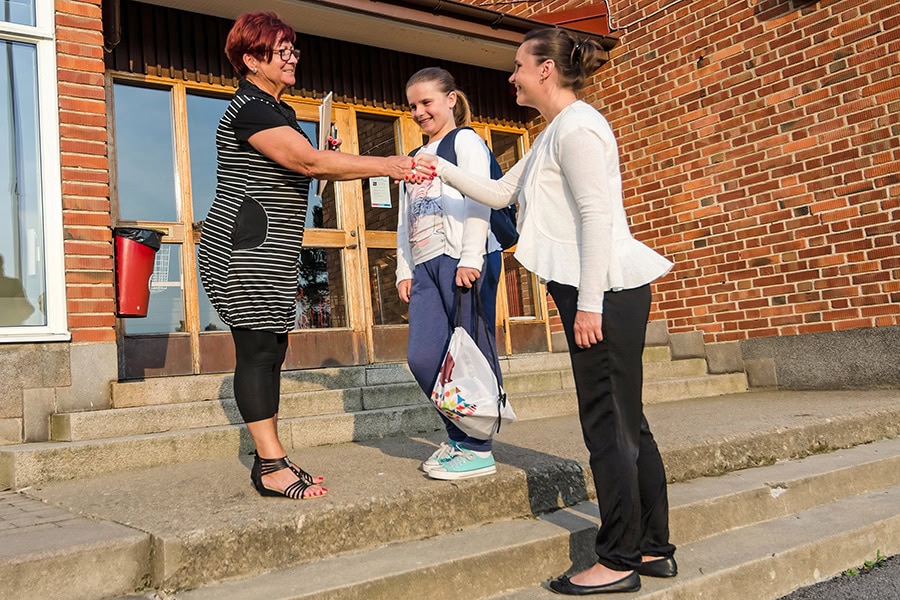
1. Entering School for the First Time
School transition support is most effective when it starts early and stays consistent across home and school. Starting school can change routines, sensory demands, and expectations all at once. A simple plan helps reduce uncertainty and gives everyone clear steps to follow. The strategies below can help you build familiarity, predictability, and early communication.
- Preparation Visits: Arrange short visits to the school before starting to help the child become familiar with the environment, teachers, and routines.
- Visual Supports: Use visual schedules and storybooks to explain what a school day looks like.
- Develop Routines: Establish consistent morning and afternoon routines to create predictability and comfort.
- Open Communication: Maintain regular dialogue among parents, carers, and teachers to address concerns early.
2. Starting or Leaving High School
High school transition support can help students adjust to new environments, larger schedules, and shifting social dynamics. These changes can feel intense in the first weeks, even when the student is motivated. Clear expectations and predictable supports can make the transition more manageable. The strategies below focus on orientation, connection, and skill-building that support confidence.
- Orientation Sessions: Attend orientation programs to familiarise students with the new environment, expectations, and staff.
- Peer Support: Encourage involvement in buddy systems or peer mentoring programs.
- Skill Building: Focus on developing organisational and self-advocacy skills.
- Emotional Support: Provide opportunities for students to express concerns and discuss their feelings about the transition.
3. Living Independently
Independent living support works best when it is built step by step, with practical skills taught in real settings. Small wins, repeated routines, and the right level of help can build confidence over time. The aim is steady, safe, and sustainable progress. The strategies below provide a practical starting point for building skills and strengthening support networks.
- Life Skills Training: Provide structured learning for skills such as budgeting, cooking, cleaning, and self-care.
- Gradual Independence: Begin with short periods of independent living and gradually increase them as confidence builds.
- Support Networks: Establish connections with local services and community groups.
- Regular Check-ins: Schedule ongoing check-ins with support workers or mentors.
4. Transitioning from Hospital to Supported Care
Hospital discharge support often involves time pressure, multiple professionals, and a lot of information to coordinate. A clear plan supports continuity and reduces the risk of gaps after discharge. Familiarisation and communication can make the change less stressful for everyone involved. The strategies below help create a shared plan and a smoother handover into ongoing supports.
- Collaborative Planning: Involve all stakeholders, such as medical professionals, support workers, and family, in the transition plan.
- Personalised Care Plans: Develop individualised care plans that address medical, emotional, and social needs.
- Environmental Familiarisation: Allow time to visit and adjust to new settings before discharge.
- Continuity of Care: Ensure clear handover of information and ongoing support post-transition.

5. Leaving the Justice System
Reintegration support focuses on stability first, then on longer-term goals such as employment, education, and stronger support networks. This transition can involve housing, relationships, and mental health needs simultaneously. Practical supports and consistent check-ins can help the person stay on track during the early stages of re-entry. The strategies below support structured reintegration, access to support, and stable foundations.
- Reintegration Programs: Participate in structured reintegration initiatives focused on employment, education, and life skills.
- Mental Health Support: Provide access to counselling and psychological support.
- Mentorship: Connect with positive role models or mentors who understand the challenges of reintegration.
- Stable Accommodation: Secure, safe, and stable housing options to support a successful transition.
If you are supporting someone who is leaving custody, Services Australia outlines practical steps and available supports for people leaving prison.
Related guide: If this transition is affecting relationships or communication at home, see our practical examples on how to communicate emotional boundaries.
How Behaviour Collaborations can help with life transition support

Behaviour Collaborations offers tailored support plans for all of the above transitions. Depending on your needs, this may include positive behaviour support, counselling for life transitions, and transition planning. Our experienced team works alongside individuals, families, and professionals to develop personalised strategies, build resilience, and ensure ongoing success. We accept referrals and are ready to provide guidance and practical assistance at every stage of life’s journey.
For more information or to make a referral, please contact Behaviour Collaborations today. You’re not alone. We’re here to support you every step of the way.
FAQs on Life Transition Support
- What is life transition support, and who is it for?
Life transition support is practical help for planning for change, reducing stress, and keeping goals clear during major life shifts. It can support children, teenagers, adults, and families across a wide range of circumstances.
- When should you consider counselling for life transitions?
Counselling for life transitions can help when change is linked to persistent distress, relationship strain, shutdown, anger, sleep disruption, or reduced daily functioning. It can also help when the transition is positive but still overwhelming.
- How do you approach transition planning when multiple services are involved?
Transition planning works best when roles are clear, communication is agreed upon, and everyone is working toward the same short-term priorities. It is often helpful to nominate a single point of contact and document decisions, so support remains consistent.
- What should families prepare before starting school transition support?
For school transition support, it helps to note what the child finds hard during change, what helps them settle, who is in their support network, and any key dates or deadlines. This makes it easier to set priorities and reduce confusion early.
- What can high school transition support focus on if anxiety is already high?
High school transition support can focus on reducing uncertainty, building confidence with the new setting, and supporting communication between the student, family, and school. The aim is to make the first weeks feel more predictable and manageable.
- How do you know if independent living support is the right next step?
Independent living support may be helpful when a person wants more autonomy but needs practical help to build daily living skills, routines, and confidence. It can also support families and carers who are trying to step back in a planned way.
- What should you ask about when organising hospital discharge support?
For hospital discharge support, ask what the first 7–14 days will look like, who is responsible for each part of care, and how follow-up will happen. Clear expectations reduce gaps and reduce stress after discharge.
- What does reintegration support look like when a person is rebuilding stability?
Reintegration support often starts with stabilising the basics and strengthening safe connections before focusing on longer-term goals. Consistency and realistic next steps matter more than trying to change everything at once.

NDIS Social and Community Participation: Why consistent support worker records matter
Position Vacant: Behaviour Support Practitioner

NDIS Plan Reassessment: Is Your Evidence Ready?
Join Our Blog
Subscribe for insights and updates
Check back regularly for new posts covering Positive Behaviour Support plans, communication strategies, emotional regulation, family engagement, and everyday approaches that can support wellbeing at home, school, work, and in the community. We also share guidance on navigating support systems and getting the most from services, with content relevant to Brisbane and families across Queensland.
"*" indicates required fields
Need support creating or implementing a Positive Behaviour Support Plan? If you are looking for guidance with Positive Behaviour Support, counselling and mental health support, or reports and documentation, our team can help you understand the next best step. Contact our Brisbane behaviour support team for guidance tailored to your situation.