Recently, Australia has implemented a groundbreaking social media ban for children under the age of 16. This social media ban for under 16s officially went into effect on December 10, 2025.
This new law requires major social media platforms, including Facebook, Instagram, TikTok, Snapchat, and YouTube, to take “reasonable steps” to prevent children under 16 from creating or maintaining accounts. The ban aims to protect young Australians from the mental health risks and pressures associated with social media use, such as cyber-bullying and exposure to harmful content.
While many parents and child advocates have welcomed the move as a necessary step to safeguard children’s well-being, some critics argue that it may push young users towards less regulated and potentially more dangerous online spaces.
The team from Behaviour Collaborations has put together a list of helpful tips and strategies to assist with the transition.
Fact check – what the new law actually does
From 10 December 2025, “age-restricted social media platforms” must take reasonable steps to prevent Australians under 16 from creating or keeping accounts on their services. This requirement sits under the Online Safety Amendment (Social Media Minimum Age) Act 2024 and the Social Media Minimum Age framework.
Key points for families:
- It operates as a minimum age and an account restriction, not a criminal offence for children. Under 16s, parents and carers are not fined or punished for access.
- The obligation and penalties sit with age-restricted platforms if they do not take reasonable steps.
- The eSafety Commissioner maintains a list of platforms currently considered age-restricted and will be updated over time.
For the most up-to-date information, parents can visit the Australian Government’s Social Media Minimum Age pages (OAIC and Department of Infrastructure) and the eSafety Commissioner’s social media age restrictions hub.
What this might look like at home
Every family will experience the social media ban for under-16s differently. Some examples you might recognise include:
- A young teenager who slams doors or refuses to join family activities when accounts are removed.
- A child who feels left out because friends are still talking about content they can no longer see.
Simple phrases you can use in these moments include:
- “It makes sense that you feel left out. A lot has changed all at once.”
- “You do not have to like this rule for us to get through it together.”
- “You are allowed to be upset. I am here with you while we work out what could help.”
These kinds of responses validate their feelings without changing the boundary.
Recognising different experiences
For some young people, especially those who are neurodivergent, living with disability, or part of LGBTQIA+ communities, online spaces may have been a major source of connection and safety. Losing access to those spaces can feel like losing part of their support network.
You can:
- Ask who or what they will miss most online, and look for offline or moderated alternatives.
- Check in with school staff, support coordinators, or therapists about safe ways to maintain social connections.
- Acknowledge that this change may feel bigger or harder for them than it does for others in the family.
About this advice and our team
These strategies have been prepared by the Behaviour Collaborations team, drawing on our work with children, young people, and families who are navigating big changes in their digital lives. This article provides general information only and does not replace individual clinical or medical advice. If you are worried about your child’s mental health or safety, please seek professional support.
Supporting your child’s emotions during the social media ban
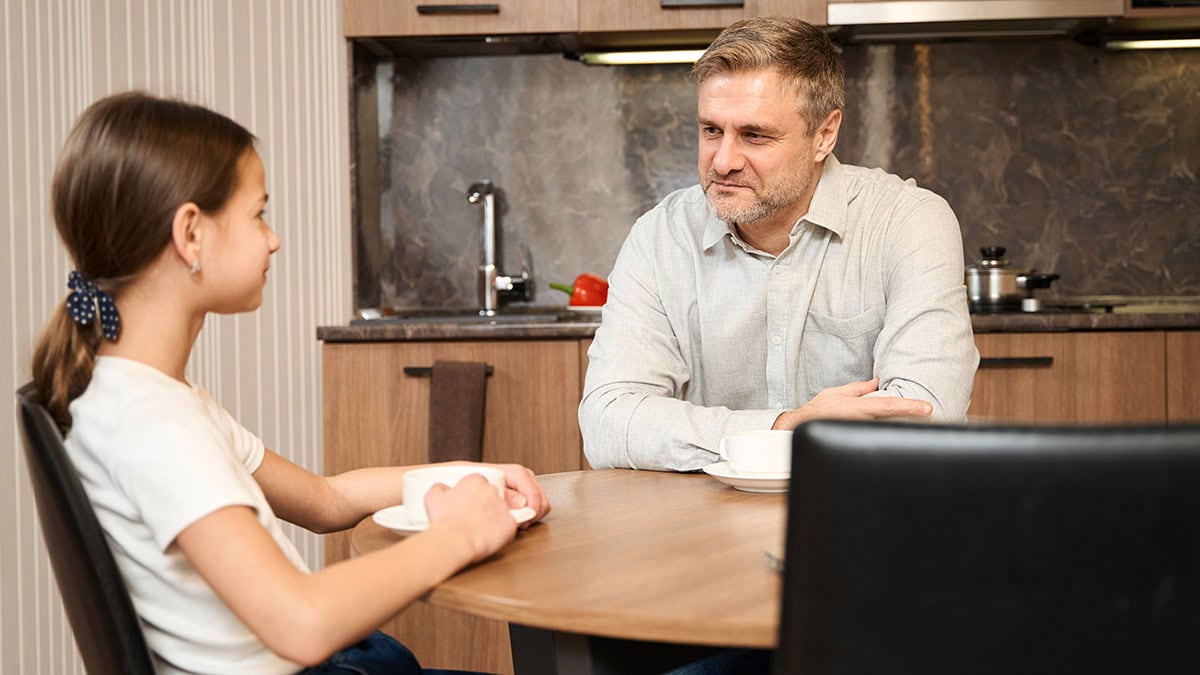
Provide validation to your child
This transition period can be challenging for them, and it is crucial to acknowledge their feelings. The adjustment phase may resemble withdrawal symptoms from an addiction. Social media platforms are designed to deliver highly processed algorithms that target your child, releasing endorphins and creating positive feelings.
When this stimulation is absent, withdrawal symptoms may occur. These symptoms can include:
- Increased irritability
- Moodiness
- Headaches
- Fatigue
- Sleep disturbances
Demonstrating empathy towards your child will help them understand that these feelings are temporary and that they will be okay.
Written by ANDREW
Emphasise the benefits of reduced screen time
FThe new social media regulations for children under 16 present an excellent opportunity for parents to encourage healthier habits and activities. With less time spent on social media, children can engage more in:
- Physical activities
- Hobbies and interests
- Face-to-face interactions
These activities are crucial for their overall development. This change can also lead to improved mental health, as children are less exposed to the pressures and negative influences often found on social media platforms. By focusing on these positive aspects, parents can help their children adapt to the new regulations and foster a more balanced and fulfilling lifestyle.
Written by CORINNE
Negative replacement behaviours to watch for
When children are on a social media ban, they might engage in some negative replacement behaviour if not properly guided. Here are a few potential negative behaviours to be aware of:
- Increased screen time on other devices:
Children might shift their focus to other digital devices, such as video games, television, or non-social media apps, which can still contribute to excessive screen time and its associated negative effects. - Risky online activities:
Without access to mainstream social media platforms, children might seek out less regulated and potentially more dangerous online spaces. This can expose them to inappropriate content or interactions. - Isolation:
Some children might feel isolated without their usual social media interactions and may withdraw from social activities, leading to feelings of loneliness or depression. - Unhealthy coping mechanisms:
In the absence of social media, children might turn to unhealthy coping mechanisms such as overeating, substance use, or other harmful behaviours to deal with their emotions. - Increased conflict:
The transition away from social media can lead to increased irritability and moodiness, which might result in more frequent conflicts with family members or peers.
It’s important for parents to monitor their children’s behaviour during this transition and provide support and guidance to help them develop healthy and positive replacement behaviours.
Positive activities and hobbies to encourage
The social media ban for children under 16 presents a wonderful opportunity for them to explore and develop new hobbies. Here are some engaging activities they might enjoy:
- Creative arts:
Children can delve into various forms of art such as drawing, painting, sculpting, or even digital art. These activities can help them express their creativity and improve their fine motor skills. - Music:
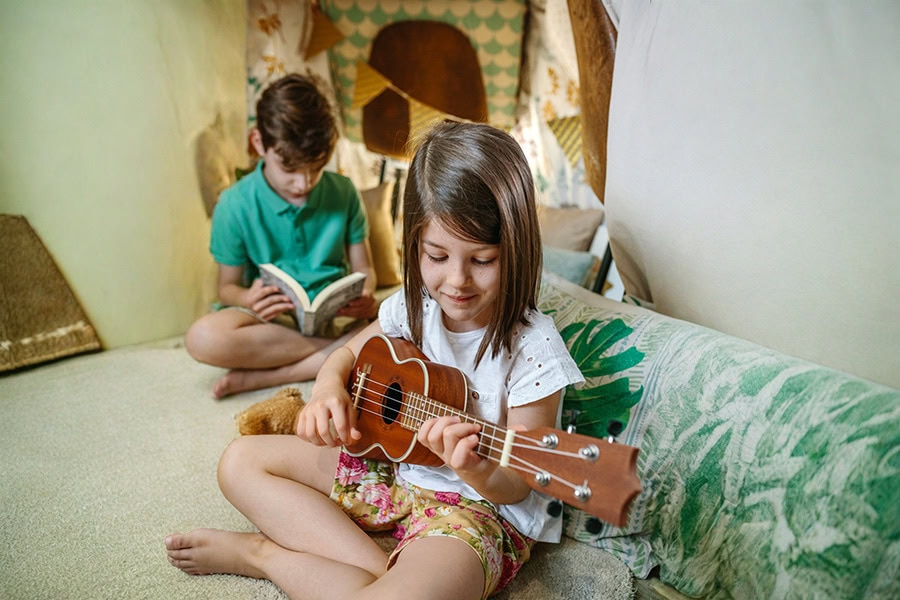
Learning to play a musical instrument like the guitar, piano, or violin can be both fun and rewarding. It can also enhance their cognitive abilities and provide a sense of accomplishment. - Cooking and baking:
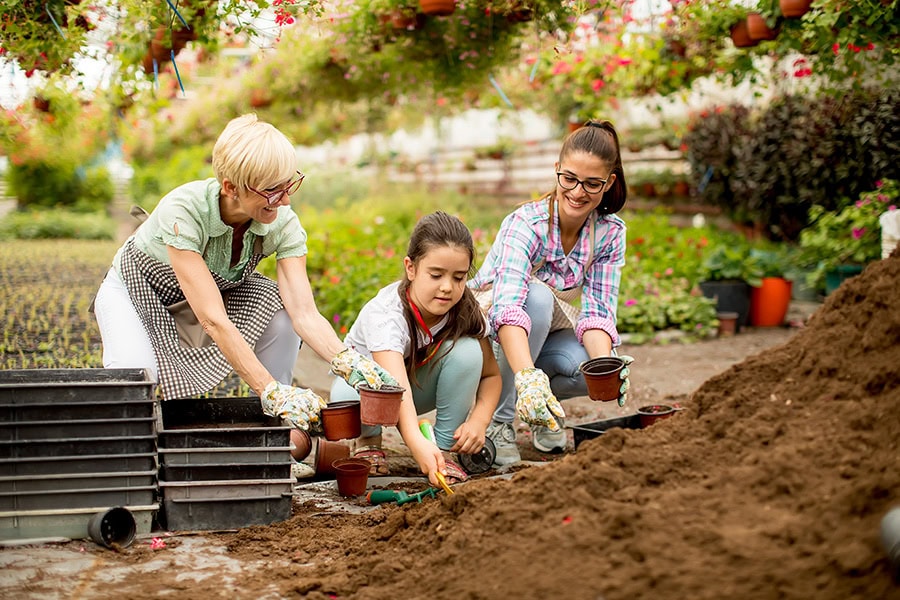
Encouraging children to help out in the kitchen can be a great way for them to learn new skills and develop a love for cooking and baking. They can experiment with different recipes and even create their own. - Gardening:
Gardening can be a relaxing and educational hobby. Children can learn about different plants, how to care for them, and the importance of nature. It also provides a sense of responsibility and achievement. - Reading and writing:
Developing a love for reading can open up a world of knowledge and imagination. Writing stories, poems, or keeping a journal can also be a great way for children to express their thoughts and creativity. - Sports and physical activities:
Engaging in sports like soccer, basketball, swimming, or martial arts can help children stay active and healthy. It also teaches them teamwork, discipline, and perseverance. - Crafts, DIY projects and volunteering:
Children can explore various crafts such as knitting, sewing, or building models. DIY projects can also be a fun way to create something unique and learn new skills. - Volunteering in their community:
Volunteering can help them develop empathy and a sense of social responsibility. It can also provide valuable life experiences and the opportunity to make new friends.
By exploring these hobbies, children can discover new interests and talents, leading to a more balanced and fulfilling lifestyle.

Social Media Ban – Strategies
Strategy one: Activities Box
During adjustment, your children may feel adrift and unable to create solutions for themselves. You can put together a box of activities and items that decrease the expectations on them.
This box can contain things like:
- Crafting ideas
- Board games
- Fidgets
- Kits to make items
- Puzzles
- Booked baking ideas
- Card games
- Books
- Items to create a sensory tub
This makes it easier for you to redirect them and offer alternative activities.
Strategy two: Regulation Toolbox
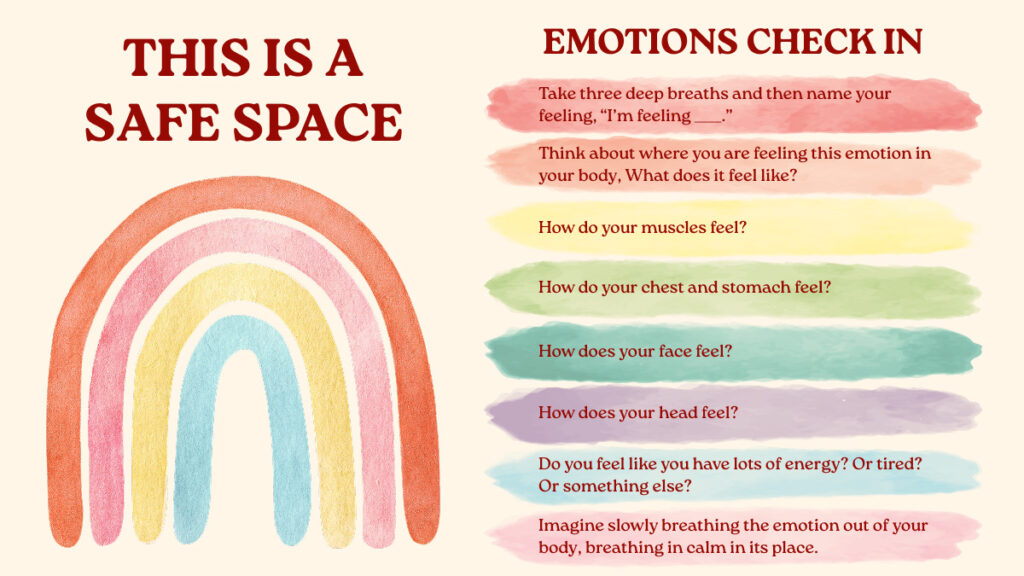
The new social media ban will be difficult for your children and may affect their ability to regulate themselves. It is important that you have fun, colourful, and easy ideas to support them. Creating a toolbox of regulation strategies can provide the visual support and input to help them calm down and reset.
Examples include:
- Breathing exercises
- Mindfulness tasks
- Relaxation music suggestions
- Grounding exercises
- Colouring in books
- Yoga and stretching
Ensure you have tools available to you as well. This will be a difficult adjustment for parents as they navigate their children’s emotions. Be kind, patient, and empathetic with yourself as you create new routines and support your children.
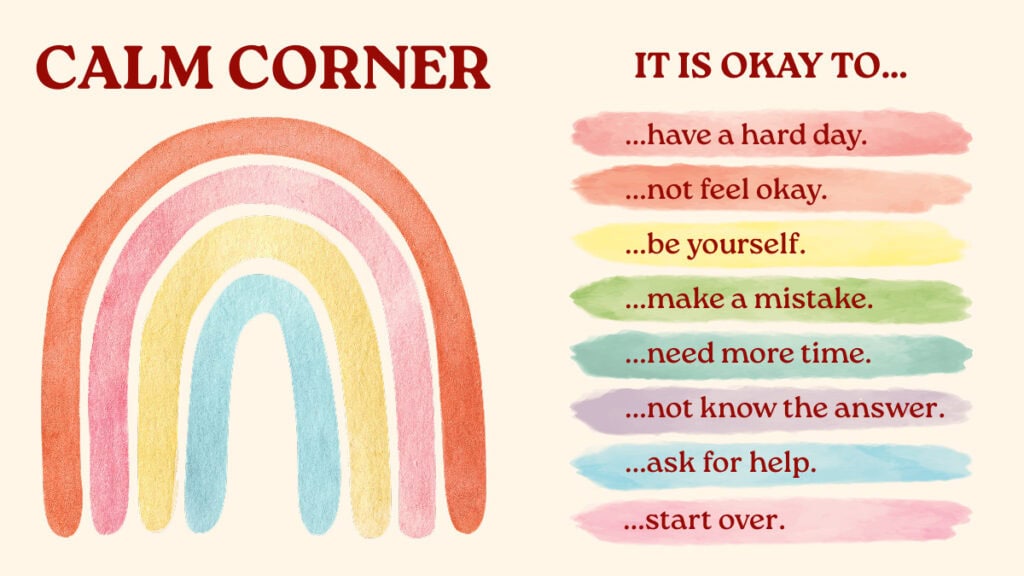
Strategy three: Calm Corner
While your children are struggling to adjust and regulate themselves, create a space for them to go. A calm corner or space designed for a single specific purpose can help redirect them. Fill this space with sensory-rich input to make it feel inviting and relaxing.
You might include:
- Bean bags
- Magazines
- Soft blankets
- Fort building supplies
Strategy four: Planned Activities
There will be moments and times when your children are more likely to be on social media. Take these opportunities and plan activities to fill these time slots. This reduces the burden on them and creates opportunities to bond and have fun as a family.
Strategy five: Honest conversations
Give your children the space to voice all their frustrations and feelings about the social media ban. Ensure that you remain open and provide honest feedback and opinions when age-appropriate.
This fosters an environment where they feel seen, heard, and understood. This does not mean you need to agree with them, but it also means you should not be dismissive of how much this is impacting them. It gives them a space to process their emotions and communicate in a healthy, respectful manner.
Take this opportunity to reassure them that you are available to help and to brainstorm alternative activities.

Social media platforms – banned, not banned, and to watch
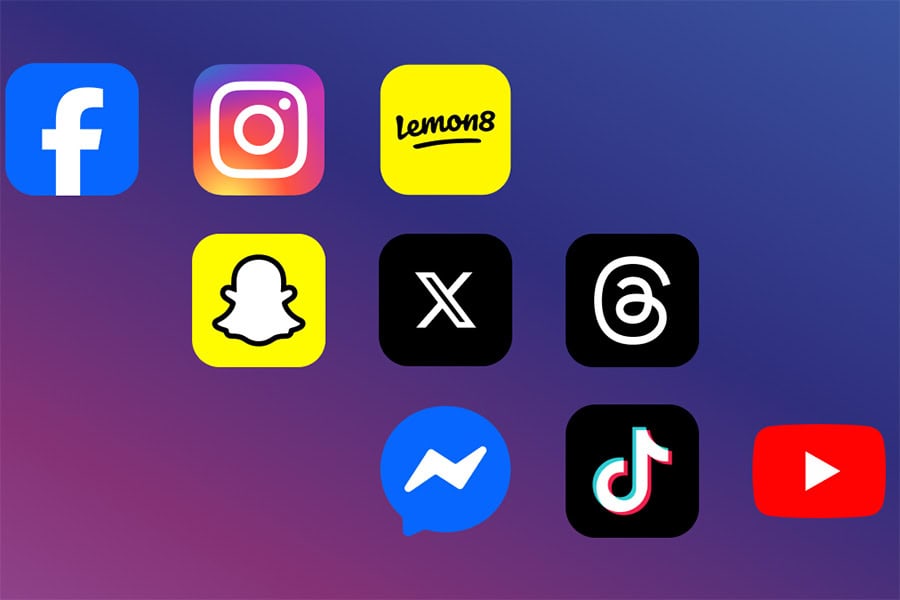
Banned List
- Lemon8
- Snapchat
- Threads
- TikTok
- Messenger
- X (formerly Twitter)
- YouTube
Not Banned
- Coverstar
- Google Classroom
- Yope
- fg
- Rednote
- LegoPlay
- Pintrest
- Roblox
- Steam and Steam Chat
- Whats App
- YouTube Kids
Online platforms and communities to watch
- Discord
- GitHub
- Twitch
These platforms are not all traditional social media, but they do involve online communities, chat, comments, or content sharing, so it is important to understand how your child is using them.
When to seek more help
The social media ban for under 16s is a big adjustment. Some tension and upset are expected. It is a good idea to seek extra support if you notice:
- Talk of self-harm, hopelessness, or not wanting to be here.
- Very strong withdrawal from friends, school, or usual activities.
- Major changes in sleep, appetite, or energy that do not settle.
- Aggression or conflict at home that feels unmanageable or unsafe.
You can:
- Speak with your GP, paediatrician, or other health professional.
- Talk to your child’s school, guidance officer, or wellbeing team.
- Reach out to counselling or behaviour support services if you already have support in place through the NDIS or privately.
If you believe your child is at immediate risk of harm, contact emergency services or your local crisis support.

Important notes and next steps
This article is general information only and is not intended to provide personalised clinical, legal or medical advice. Laws, platform lists and guidance about the social media ban for under-16s will continue to evolve, so it is important to check official government and eSafety resources for the latest updates.
If your family is finding this transition especially challenging, Behaviour Collaborations can support you with behaviour support, counselling, and parent strategies tailored to your child’s needs and your family’s routine. Even small, practical steps can make this period feel more manageable for everyone at home.
If you would like personalised support with the social media ban for under-16s or other behaviour and mental health concerns, please reach out to the Behaviour Collaborations team to talk about what is happening at home and how we can help.

NDIS Social and Community Participation: Why consistent support worker records matter
Position Vacant: Behaviour Support Practitioner
NDIS Plan Reassessment: Is Your Evidence Ready?
Join Our Blog
Subscribe for insights and updates
Check back regularly for new posts covering Positive Behaviour Support plans, communication strategies, emotional regulation, family engagement, and everyday approaches that can support wellbeing at home, school, work, and in the community. We also share guidance on navigating support systems and getting the most from services, with content relevant to Brisbane and families across Queensland.
"*" indicates required fields
Need support creating or implementing a Positive Behaviour Support Plan? If you are looking for guidance with Positive Behaviour Support, counselling and mental health support, or reports and documentation, our team can help you understand the next best step. Contact our Brisbane behaviour support team for guidance tailored to your situation.