

For many families in Queensland, storm season is simply part of life. For children, it can feel very different. Loud thunder, bright lightning, shifting shadows and strong winds can all feel unpredictable and frightening.
Storm anxiety in children is common, especially when storms are frequent or severe. Some children cling to caregivers. Others hide, cry, refuse to go outside or stay glued to the weather radar. For children who already experience anxiety, autism, sensory overload or past trauma, storms can be especially hard.
The good news is that there are many practical things you can do at home to start helping children feel safe during storms. This article shares ideas you can use before, during and after storms, plus some extra strategies for children with autism and children with sensory differences, and when it might be time to seek extra support such as NDIS behaviour support.
Storm anxiety in children: what it looks like
Storm anxiety in children is more than a simple dislike of bad weather. It is an ongoing fear or worry linked to thunderstorms, heavy rain, hail or strong winds. You might notice your child:
- Asking repeated “what if” questions about storms
- Watching the sky or the weather app over and over
- Avoiding going outside if storms are mentioned in the forecast
- Reacting strongly to thunder, lightning or wind, even when you feel calm
- Having trouble sleeping during storm season, or refusing to sleep alone
- Needing a long time to settle again after the storm has passed
These reactions are not about being dramatic. Your child’s brain and body are doing their best to keep them safe. Our role as adults is to create a sense of safety, help them understand what is happening and offer tools they can use to cope. For more guidance on discussing frightening world events, read our article on how to talk to children about war and conflict.
Creating a safe and secure base at home
A key goal during storms is to help your child feel contained and supported. Instead of telling them to “be brave”, focus on making the environment feel predictable, cosy and safe.
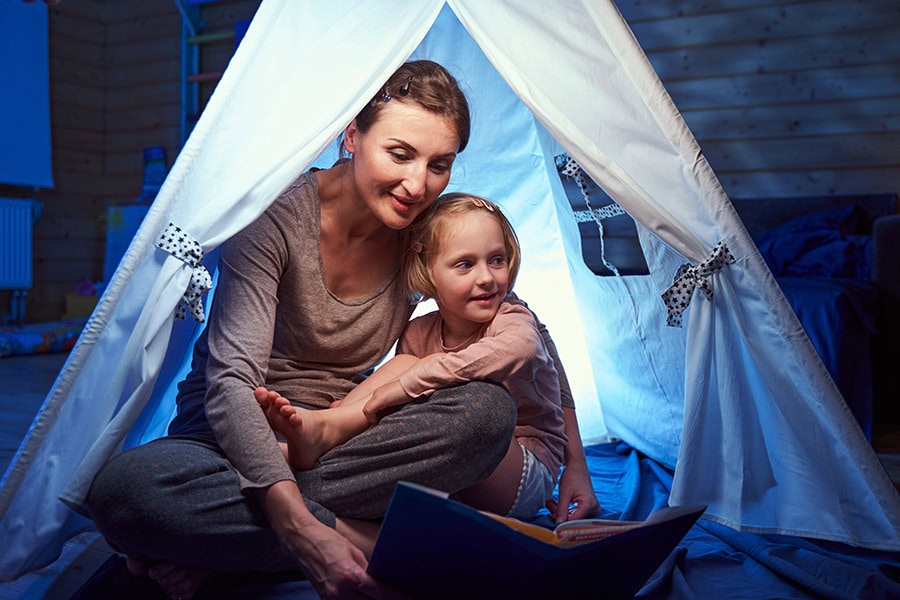
Build a cosy storm fort
You can turn part of your home into a “storm fort” or “safe space” that you only use during bad weather. Ideas include:
- Choose a quieter room away from big windows if possible
- Use pillows, blankets and cushions to create a small enclosed space
- Add a lamp or soft fairy lights if the room feels too dark
- Let your child help design and name the space, so it feels like theirs
For a child scared of storms, the act of building the fort can already reduce anxiety. The enclosed, familiar space can give a strong sense of physical and emotional safety.

Include comfort items and sensory supports
Once the fort is ready, add items that help your child feel calm:
- Favourite soft toys or comfort objects
- A special book or colouring set that you only use during storms
- Sensory tools such as stress balls, fidget toys or a weighted blanket
- Simple snacks and a water bottle
Having these items close by shifts attention away from the storm and back towards what feels safe and enjoyable. You can also join your child in the fort for stories, quiet games or cuddles, which reinforces the message that they are not alone.
Turning storms into something you can talk about
Avoiding all mention of storms can sometimes make anxiety stronger. Many child mental health resources recommend simple, honest explanations about what is happening, combined with a clear family storm plan.
Demystify thunder and lightning
Rather than only distracting your child, you can gently explain what storms are in age-appropriate language. For example:
- “Lightning is like a big spark of electricity in the sky.”
- “Thunder is the sound the lightning makes when it heats up the air very quickly.”
You can draw pictures, use a children’s weather book or watch a short, calm video together. Understanding the basics can make storms feel more predictable and less mysterious.
Play the “count the lightning” game
For some children, turning the storm into a simple game makes it less frightening:
- When you see lightning, start counting out loud.
- When you hear thunder, stop counting.
- Explain that the number of seconds gives a rough idea of how far away the storm is.
If your child enjoys numbers, this can reduce fear and increase curiosity. If counting makes them more anxious, skip this step and focus on comfort and connection instead. The aim is always to cope with storm anxiety, not add extra pressure.
Reducing physical discomfort during storms
Children often say that storms feel “strange” in their bodies. Changes in air pressure, light and static can all contribute to discomfort or sensory overload during storms.
Try static reduction with the dryer
One practical home idea is to use the clothes dryer to help reduce static and add extra comfort. Place a large blanket or sheet into the dryer and run it briefly during the storm. The movement and warmth can help draw some static out of the air. A warm, freshly dried blanket can then become part of your child’s storm fort, adding another soothing sensory layer.
Keep familiar routines where it is safe
Where it is safe to do so, keep daily routines around meals, bath time and bedtime. Familiar patterns give children a sense of stability, even when the weather is unpredictable. Routines also help storm anxiety in children settle more quickly once the weather clears.
Teaching children about storms on calm days
It is usually easier to learn about storms when the sky is clear, and everyone is calm. Planning ahead supports both you and your child.
Plan a one-to-one “storm education” session
Set aside a short, calm time to talk with your child about storms. You can:
- Use simple diagrams or picture books to explain how storms form
- Show basic weather radar images and explain what the colours mean
- Answer your child’s questions honestly but gently
Keep the session short and positive. The goal is to build steady confidence, not to overload them with information.
Practise your family storm plan
Create a simple storm plan so everyone knows what to do when bad weather is forecast. This could include:
- Which room your family uses as the safe base during severe weather
- What items your child can bring into the storm fort
- Where the torch, spare batteries and basic supplies are kept
- How you will communicate if the power or internet drops out
Practise the plan on a sunny day so it feels familiar. When real storms arrive, your child will know that your family has a clear plan and that adults are in charge of safety.
Additional ideas for children with autism and sensory differences
For children with autism or children who experience sensory processing differences, storm anxiety in children often links to sensory overload. Loud sounds, bright flashes and sudden changes in pressure can all stack up at once.
Autism and storm anxiety often interact, because many children on the autism spectrum are highly sensitive to sudden loud noises, bright flashes of light and changes in routine.
Sensory-friendly clothing
Comfortable clothing can reduce extra discomfort during storm season. You might:
- Choose soft, breathable fabrics rather than scratchy materials
- Look for seamless garments where possible
- Dress in layers so your child can add or remove a jumper as temperatures change
Reducing everyday irritation gives your child more capacity to cope with the storm itself.
Visual supports and social stories
Visual tools help many children understand what is happening and what will happen next. Consider:
- A simple visual schedule that shows “before storm, during storm, after storm”
- A basic weather chart with pictures for sunny, rainy, windy and stormy days
- A short social story that uses your child’s name and your own home to explain your storm plan
Read the social story together when the weather is calm. Over time, it becomes a familiar script you can return to when storms appear.
Sensory tools and calming techniques
Offer tools that help your child regulate their nervous system, such as:
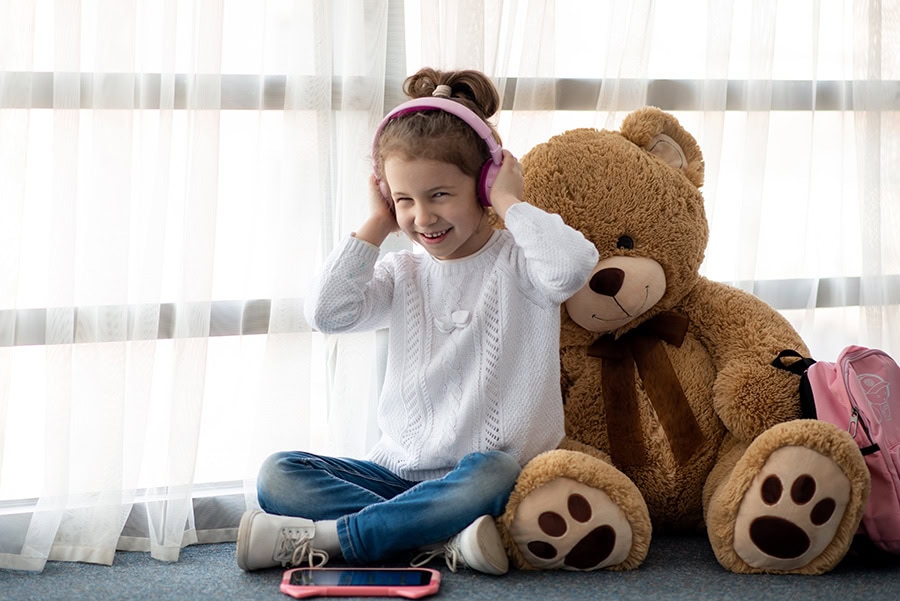
- Noise-cancelling headphones or soft ear defenders
- Fidget toys, chewable jewellery or favourite textured items
- A weighted blanket, lap pad or tight cuddle if your child enjoys deep pressure
You can also practise calming techniques regularly, so they are easier to use during storms:
- Slow belly breathing with a hand on the chest and tummy
- Gently tensing and relaxing different muscle groups
- Grounding exercises, such as naming five things they can see, four they can touch and so on
Practising when calm means your child does not have to learn a brand new skill in the middle of a frightening storm.
Weather-themed play and learning
You can also use play to make the weather feel more familiar instead of threatening. Ideas include:
- Drawing different types of clouds and talking about which ones bring storms
- Keeping a simple weather journal and adding a special symbol on storm days
- Creating indoor sensory experiences inspired by rain or wind, such as water play or using a fan for “windy day” games
The focus stays on curiosity, connection and helping children feel safe during storms, rather than pushing them to “get over it”.
When to seek extra support for storm anxiety in children
Sometimes, children grow out of storm anxiety as they get more information and practise their coping skills. In other cases, storm anxiety in children can start to affect everyday life. You might consider extra support if:
- Your child’s fear is very intense and does not ease over a full storm season
- They avoid school, appointments or activities because a storm might happen
- They have frequent nightmares or sleep problems linked to storms or heavy rain
- They show big changes in behaviour whenever storms are forecast
- Your child has experienced a frightening event such as a damaging storm or flood
Talking with your GP, psychologist or another allied health professional can help you decide what kind of support is best. If your child has an NDIS plan, you can also raise storm anxiety with your Support Coordinator or behaviour support practitioner so it is addressed in a Positive Behaviour Support plan.
How Behaviour Collaborations can support families during storm season
At Behaviour Collaborations, we work with children, young people and families across Brisbane, Redlands, Ipswich and surrounding South East Queensland communities.
Brisbane storm season anxiety can affect the whole household, and our team understands how local weather patterns, previous experiences and sensory differences all play a part.
As a nationally registered NDIS provider, our team can:
- Help you understand what is sitting underneath your child’s storm anxiety
- Develop Positive Behaviour Support strategies that are trauma-informed and person-centred
- Support children with autism and children with sensory differences using evidence-based approaches
- Work alongside families, schools and support teams so everyone responds in a consistent and calm way
If storm season feels like a stressful time in your home, you do not have to manage it alone. Behaviour Collaborations can partner with you to build a plan that supports your child’s safety, confidence and wellbeing. Families and Support Coordinators can contact us to talk about NDIS behaviour support options for storm anxiety in children and other everyday challenges.
FAQs on the topic of storm anxiety in children
Q1. Is storm anxiety in children normal, or is it something to worry about?
It is very common for children to feel unsettled or frightened during big storms, especially when thunder is loud or lightning is close. In many cases, storm anxiety in children eases as they gain information, see adults staying calm and learn what to expect. It becomes more of a concern when fear starts to interfere with everyday life, such as refusing to leave the house during storm season, constant checking of weather apps or ongoing sleep problems. If you are unsure, talk with your GP or a child psychologist. They can help you decide whether your child’s fear is within a typical range or if extra support would be helpful.
Q2. How can I stay calm when my child is scared of storms?
Children often watch adults very closely during storms. If you feel anxious, your child may pick up on that, even if you do not say anything. It can help to have your own simple plan, such as taking slow breaths, checking the official weather warning rather than social media, and reminding yourself of your family’s storm plan. You do not need to pretend you enjoy storms. Instead, you can say things like “I feel a bit nervous too, so let us follow our plan together”. Modelling coping skills shows your child that it is possible to feel afraid and still stay safe.
Q3. What can I do if my child is more scared of storms at night?
Night-time storms can be harder for children because they cannot see what is happening outside and they are already tired. To help children feel safe during storms at night, you can create a simple night routine: use a small night light, keep a favourite comfort item in bed, and remind your child of your storm plan before they go to sleep if bad weather is forecast. If a storm arrives, you might move to the safe room or storm fort for a short time, then support your child to return to bed once the worst has passed. Keeping voices low and lights dim can make it easier for everyone to settle again.
Q4. Can NDIS behaviour support include strategies for storm anxiety in children?
Yes. If your child has an NDIS plan that includes behaviour support or therapeutic supports, storm anxiety in children can be included as part of their goals and strategies. A Positive Behaviour Support practitioner can work with your family to understand what triggers your child’s anxiety, what helps them feel safe, and how to plan for storm season. This might include visual supports, sensory tools, co-regulation strategies and clear plans for home, school and other settings. Talk with your Support Coordinator or planner about including these goals in your next plan review if they are not already included.
Q5. How can schools and support workers help a child who has storm anxiety?
You do not have to manage storm anxiety in children on your own. Schools and support workers can play an important role. It helps to share your child’s storm plan and any key strategies that work at home, such as using headphones, moving to a quieter space, or following a short social story. If a storm is forecast during school hours or an outing, staff can prepare a calm plan with your child in advance. Behaviour Collaborations can also work with schools and support teams as part of NDIS behaviour support, so everyone responds consistently and reassuringly when storms approach.
Helping children feel safe during storms with Behaviour Collaborations
If storm season is bringing up big feelings for your child, you do not have to figure it out on your own.
Behaviour Collaborations works with families, Support Coordinators and support teams across Brisbane, Redlands, Ipswich and surrounding areas to understand what is behind storm anxiety in children and to build practical, trauma-informed plans that actually work at home, school and in the community.
If you would like to talk about NDIS behaviour support for your child, you can contact us to arrange a confidential conversation about what you are noticing and what kind of support might help.
Further resources for families
For more general resources on helping young children understand storms and noisy weather, you might like to explore Children’s Health Queensland’s Birdie and the storm storybook and resources.
Children’s Health Queensland – Birdie and the storm
National resources such as Healthdirect’s guidance on supporting kids through a natural disaster can also be helpful when you are looking for broader ideas about weather anxiety in kids and family preparedness.

NDIS Social and Community Participation: Why consistent support worker records matter

Position Vacant: Behaviour Support Practitioner

NDIS Plan Reassessment: Is Your Evidence Ready?
Join Our Blog
Subscribe for insights and updates
Check back regularly for new posts covering Positive Behaviour Support plans, communication strategies, emotional regulation, family engagement, and everyday approaches that can support wellbeing at home, school, work, and in the community. We also share guidance on navigating support systems and getting the most from services, with content relevant to Brisbane and families across Queensland.
"*" indicates required fields
Need support creating or implementing a Positive Behaviour Support Plan? If you are looking for guidance with Positive Behaviour Support, counselling and mental health support, or reports and documentation, our team can help you understand the next best step. Contact our Brisbane behaviour support team for guidance tailored to your situation.