
Positive Behaviour Support Blog for Parents, Families, Schools and Practitioners
Welcome to the Positive Behaviour Support Blog by Behaviour Collaborations. Explore practical behaviour support strategies, NDIS insights, parenting advice and practitioner guidance from our Brisbane-based team. Whether you are a parent, carer, educator, allied health professional or practitioner, you’ll find respectful, evidence-informed advice designed for real life.
Our blog shares clear explanations, step-by-step strategies and practical examples to support emotional regulation, calm routines, safe responses to distress, stronger relationships and consistent approaches across home, school and community settings. We also cover collaboration, documentation and how to keep behaviour support strategies aligned when families, schools and professionals are working together.
What You’ll Find in Our Blog
Our Positive Behaviour Support Blog is designed to provide practical, real-world guidance for families, schools and practitioners supporting children with diverse needs. We focus on strategies that are respectful, evidence-informed and easy to apply in everyday situations.
Topics we regularly cover include:
-
Positive behaviour support strategies for children
-
Emotional regulation and managing distress
-
School refusal and anxiety-based behaviours
-
Parenting strategies for home routines and transitions
-
NDIS guidance and behaviour support planning
-
Collaboration between families, schools and professionals
Our aim is to help you feel more confident supporting children across home, school and community environments, with clear, consistent approaches that work.

Your Relationship with Alcohol: Understanding, Healing, and Finding Support
Reflecting on Your Relationship with Alcohol Have you ever paused and asked yourself, “What is my relationship with alcohol?” For many Australians, alcohol feels woven into daily life. It is…

Healing Your Relationship with Food: NDIS Behaviour Support for Eating Disorders
Beginning with a quiet question For many people, food is a complicated companion. It nourishes us, comforts us, and connects us to family and culture. Yet it can also feel…
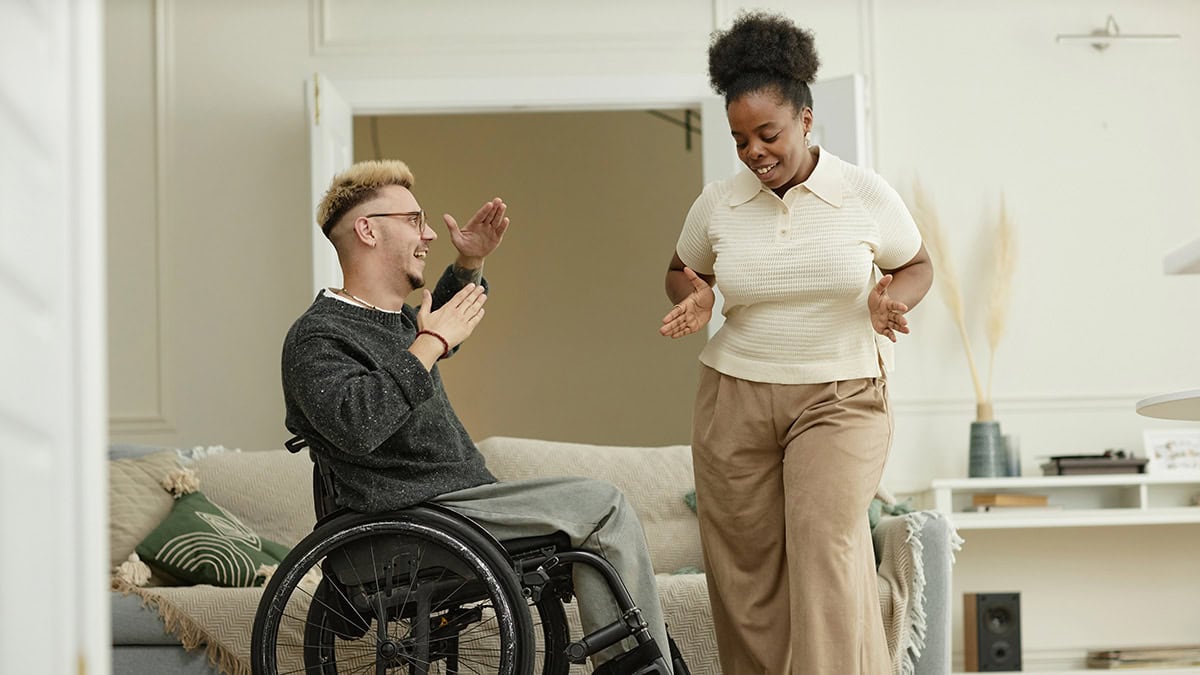
How to Communicate Emotional Boundaries
Healthy emotional boundaries are essential for respectful, positive relationships. For many NDIS participants and families across Brisbane, Redlands and Ipswich, learning to communicate emotional boundaries can reduce stress, strengthen communication…

The Link Between Mental Health and Behaviour: What NDIS Participants Should Know
Behaviour is rarely just about behaviour. It’s often a sign of what’s happening underneath, especially for NDIS participants who may have difficulty expressing their thoughts and feelings. Many families in…

Understanding Self-Harm: Exploring Differences and Similarities Across Genders
A Compassionate Look at Self-Harm Among Young People Understanding self-harm, also known as non-suicidal self-injury (NSSI), is a deeply complex and sensitive topic that affects people of all genders, ages,…

Workplace Challenges (Part 2): Managing Stress, Career Growth and When to Seek Change
Managing workplace stress is something every professional will face at some stage. Long hours, tight deadlines, organisational change, and increasing expectations can all contribute to stress at work. When stress…
Join Our Behaviour Support Blog
Subscribe for insights and updates
Check back regularly for new posts covering Positive Behaviour Support plans, communication strategies, emotional regulation, family engagement, and everyday approaches that can support wellbeing at home, school, work, and in the community. We also share guidance on navigating support systems and getting the most from services, with content relevant to Brisbane and families across Queensland.
"*" indicates required fields
Need support creating or implementing a Positive Behaviour Support Plan? If you are looking for guidance with Positive Behaviour Support, counselling and mental health support, or reports and documentation, our team can help you understand the next best step. Contact our Brisbane behaviour support team for guidance tailored to your situation.